Home · 5 min read · 22/09/2026
Buying a robot vacuum: navigation, suction power, mopping and the question of a dust station
Whether a robot vacuum makes everyday life easier depends less on suction power than on navigation, your home layout and the station. What matters, what's just expensive.
Ad: links to partner shops are affiliate links. If you buy through them we receive a commission; your price stays the same. Prices are snapshots; the price in the shop is binding.
A robot vacuum does not completely replace a traditional vacuum cleaner, but it keeps floors clean between deep cleanings if it suits your home. The differences lie in navigation, obstacle handling and the station.
Navigation: Lidar or camera
Robots with laser navigation (Lidar) map your home in just a few minutes, drive in straight lines and find their way back to the station even in the dark. They are the standard from the mid-range upwards. Camera navigation requires light but often recognizes objects on the floor better. Cheap models without mapping drive randomly and miss corners; they only work for small, tidy rooms.
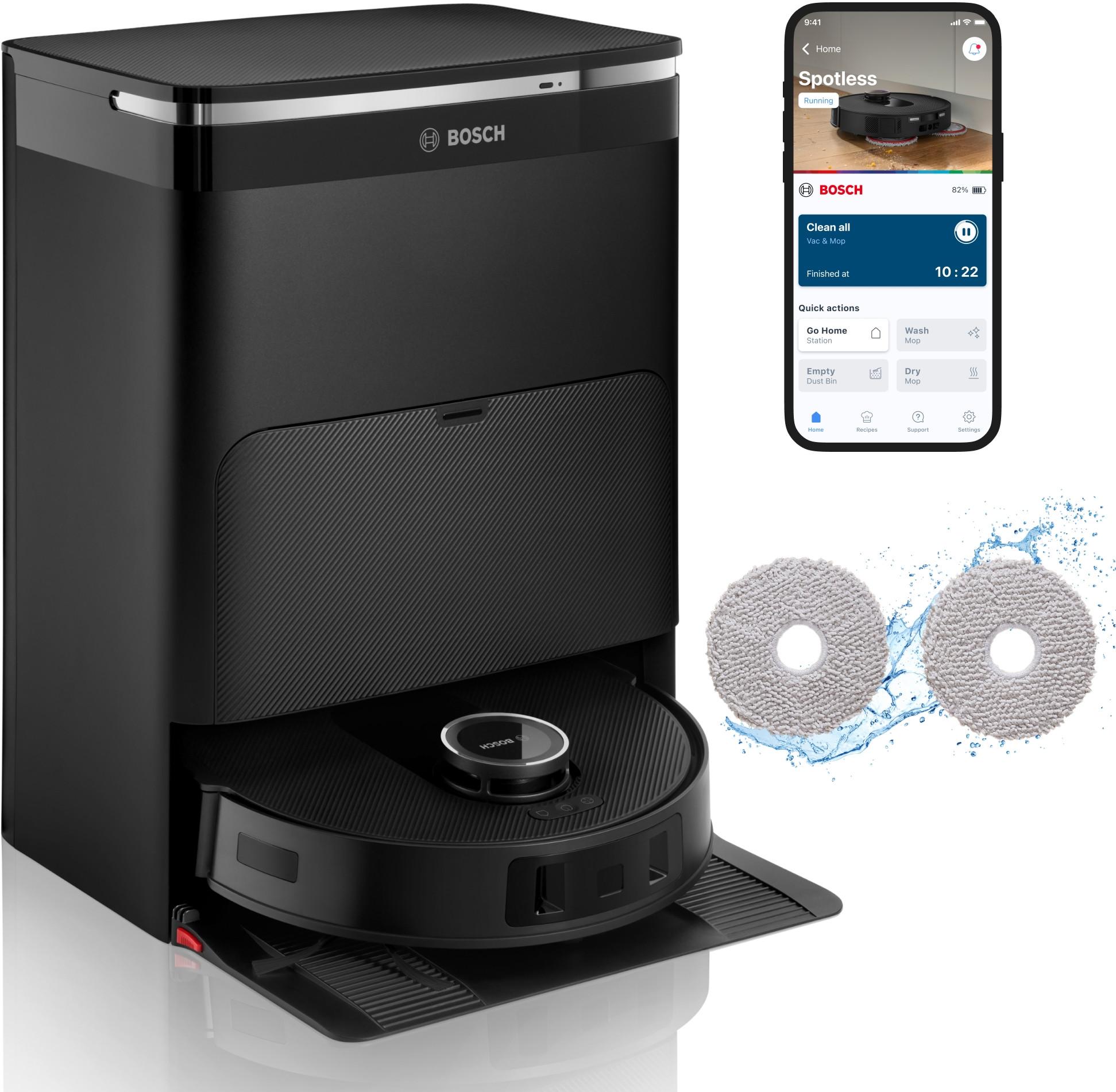
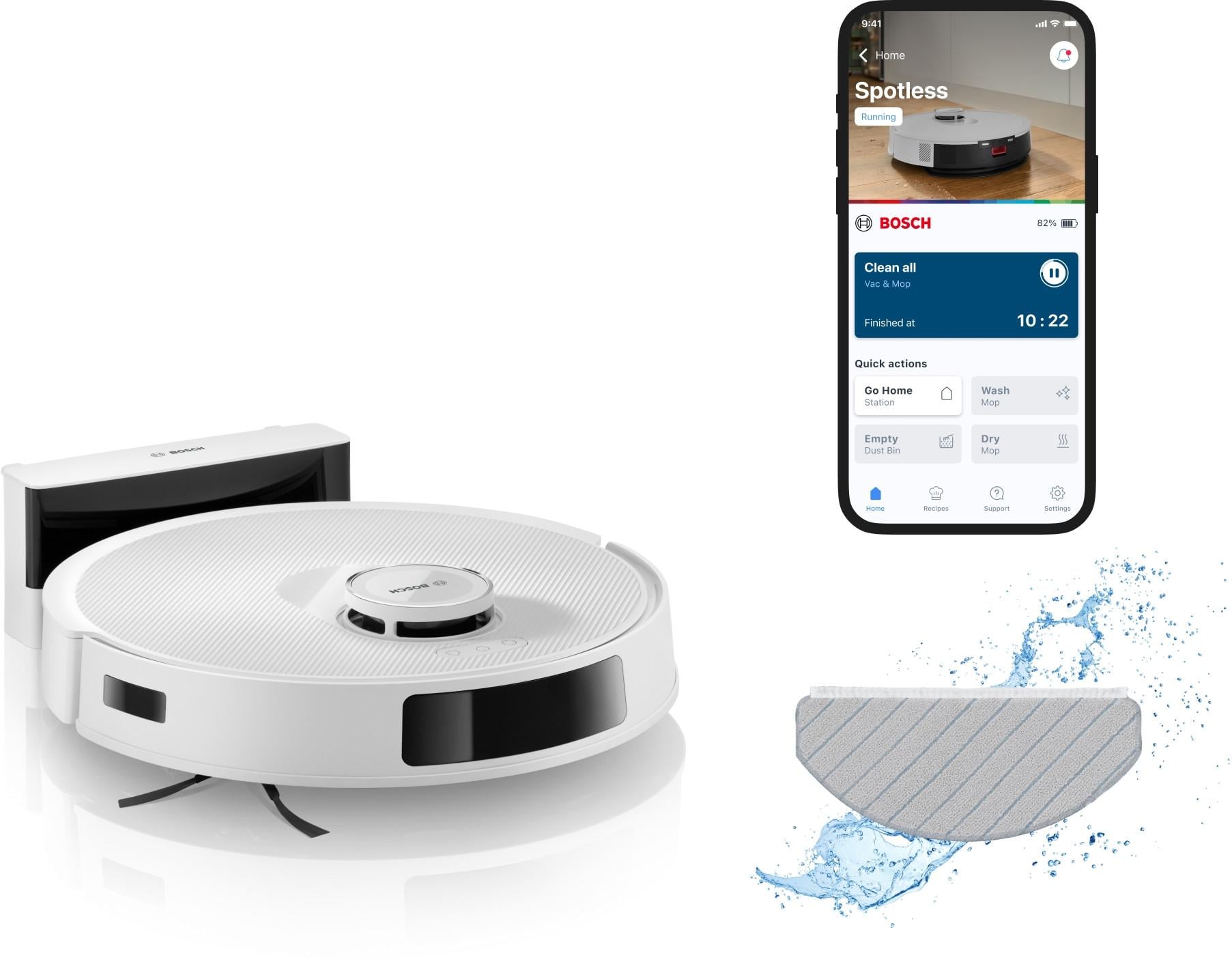
An important feature is the app: name rooms, set no-go zones, create schedules per room and save the map.
Obstacle detection
Cables, socks and pet accidents are classic obstacles. Models with AI object recognition (camera or structured light) usually navigate around them reliably; simple robots need a tidy floor. If you have pets, you should not skimp here.
Suction power and brushes
The Pascal specification is a comparison value but not a quality feature. From around 4000 Pa, robots pick up crumbs and dust from short-pile carpet; more helps especially on long-pile carpet. More important than the last Pascal are a rubber brush (tangles fewer hairs), carpet detection with automatic power increase and a side brush for edges.
Mopping
Mopping functions range from a damp cloth being dragged along to rotating pads with pressure. Only the latter removes dried-on stains. For carpets, the robot should be able to lift the pads. If you mainly have hard floors, you will benefit noticeably; with a lot of carpet, mopping is an extra you rarely use.
Station: The biggest comfort gain
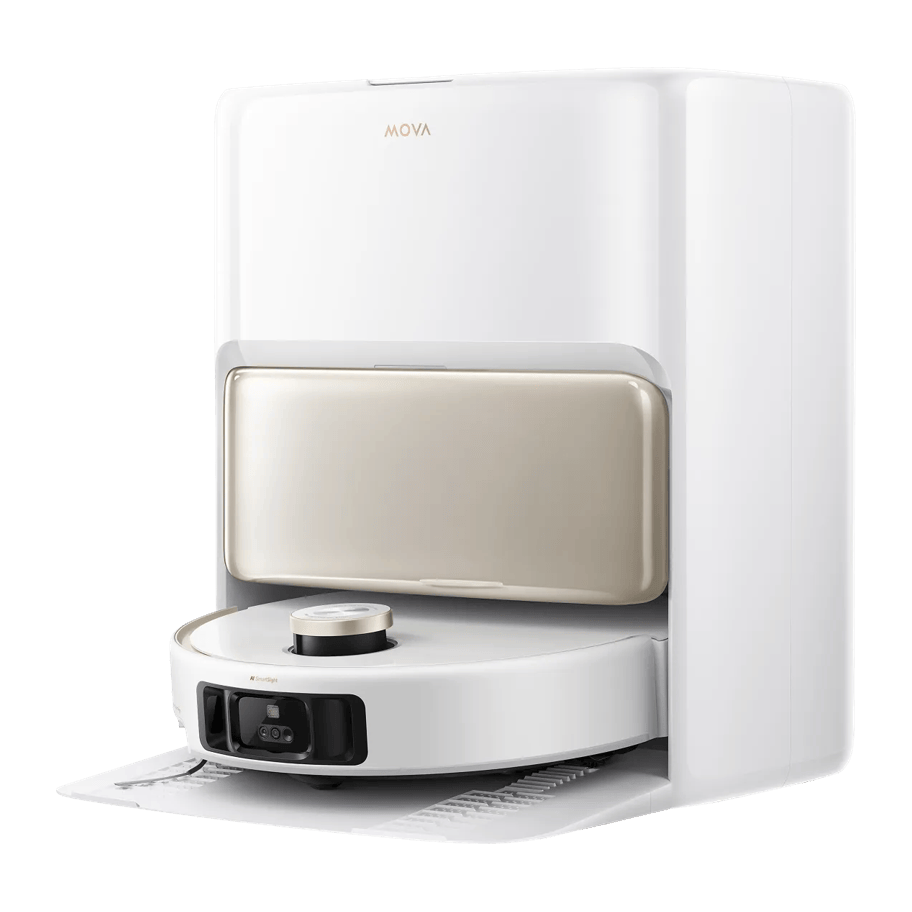
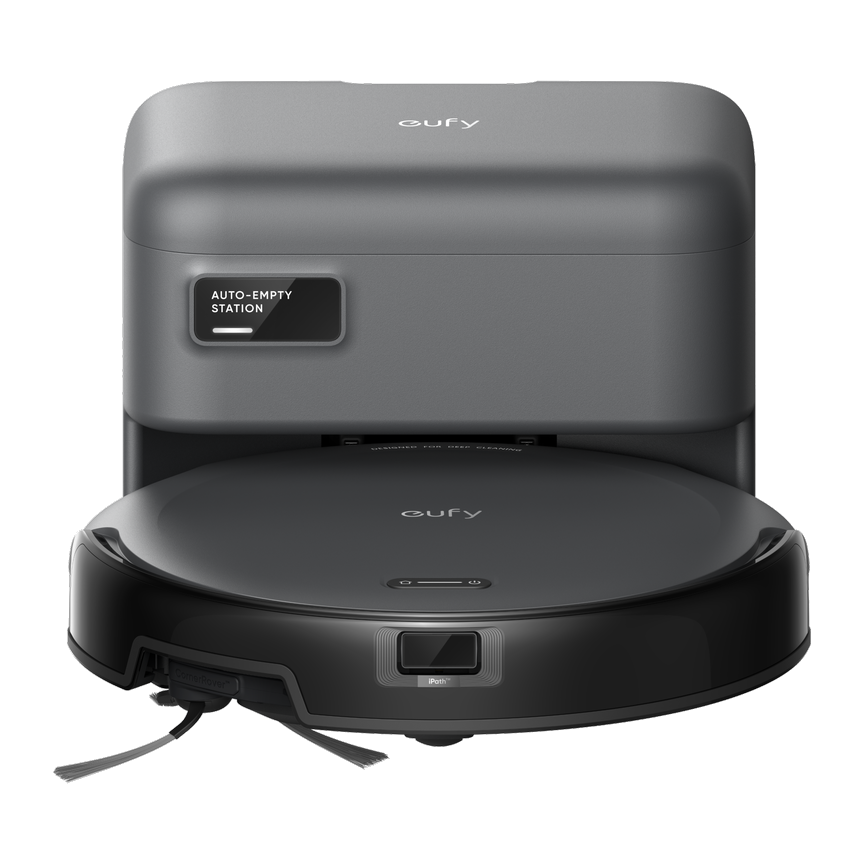
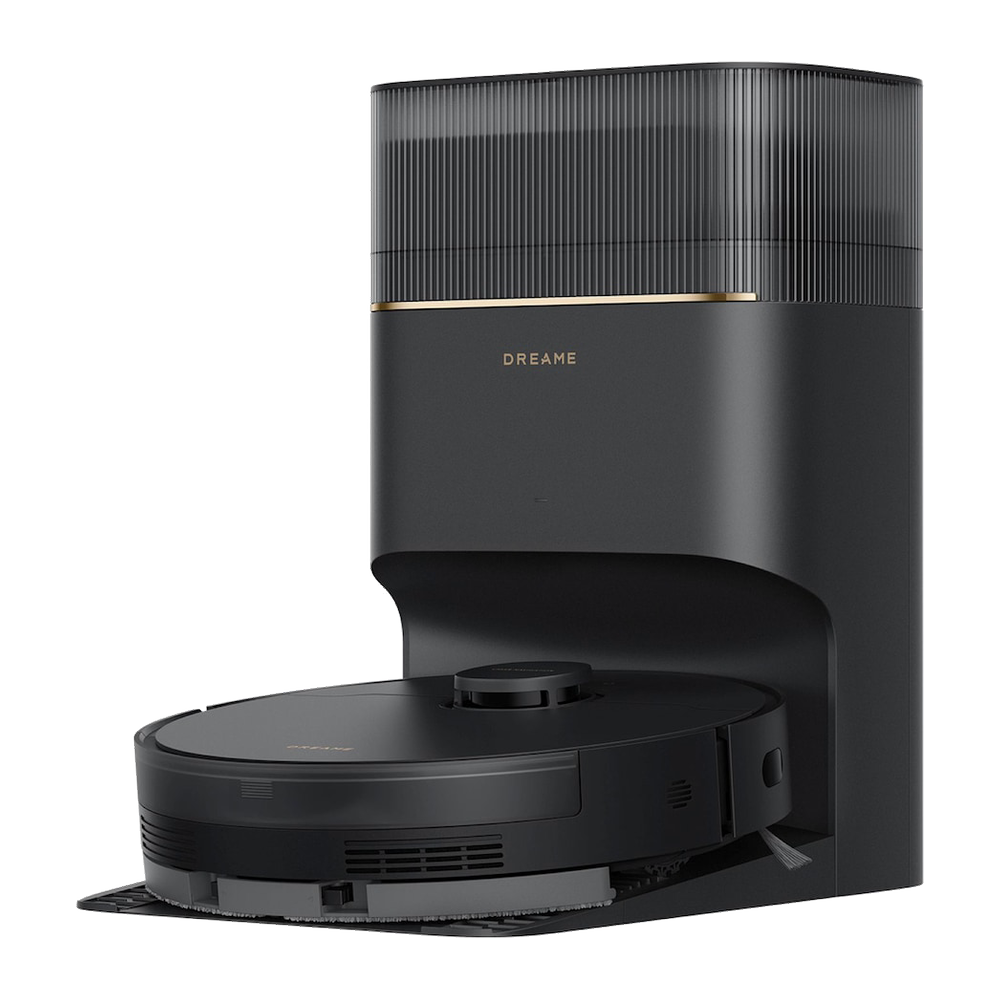
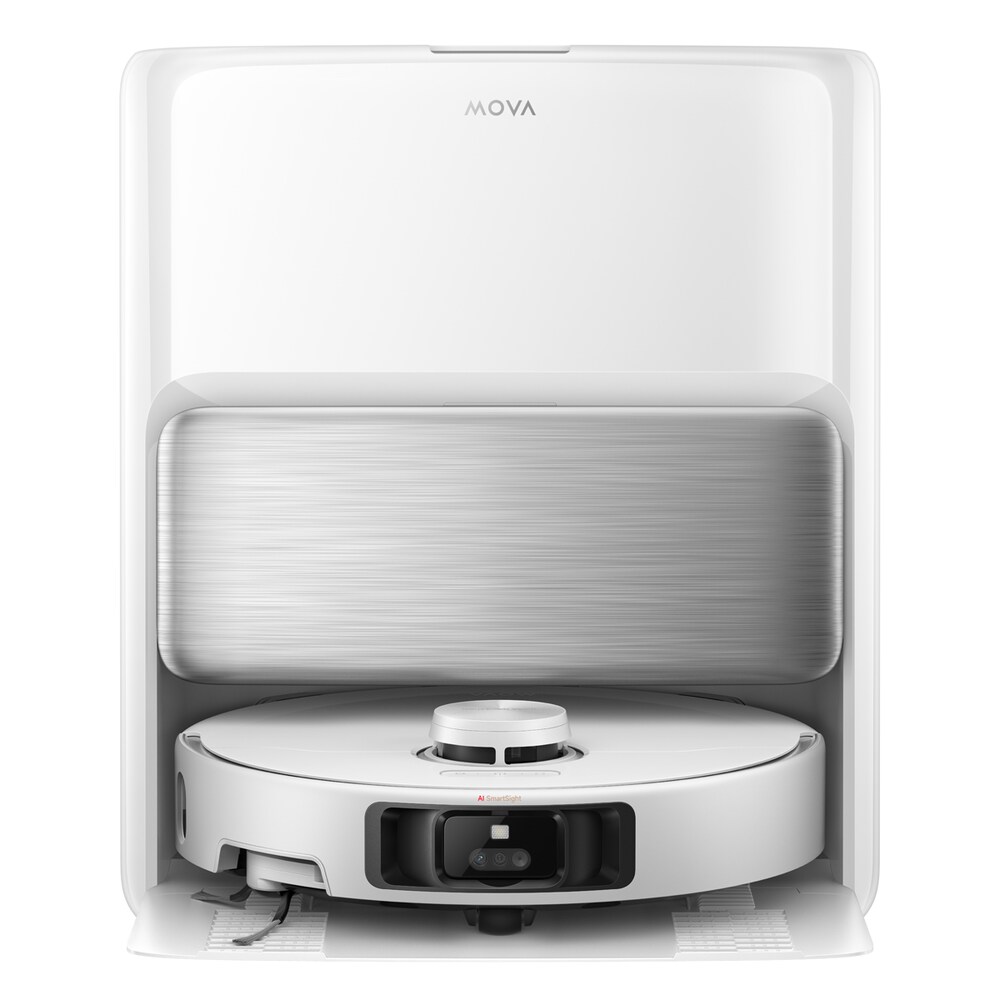
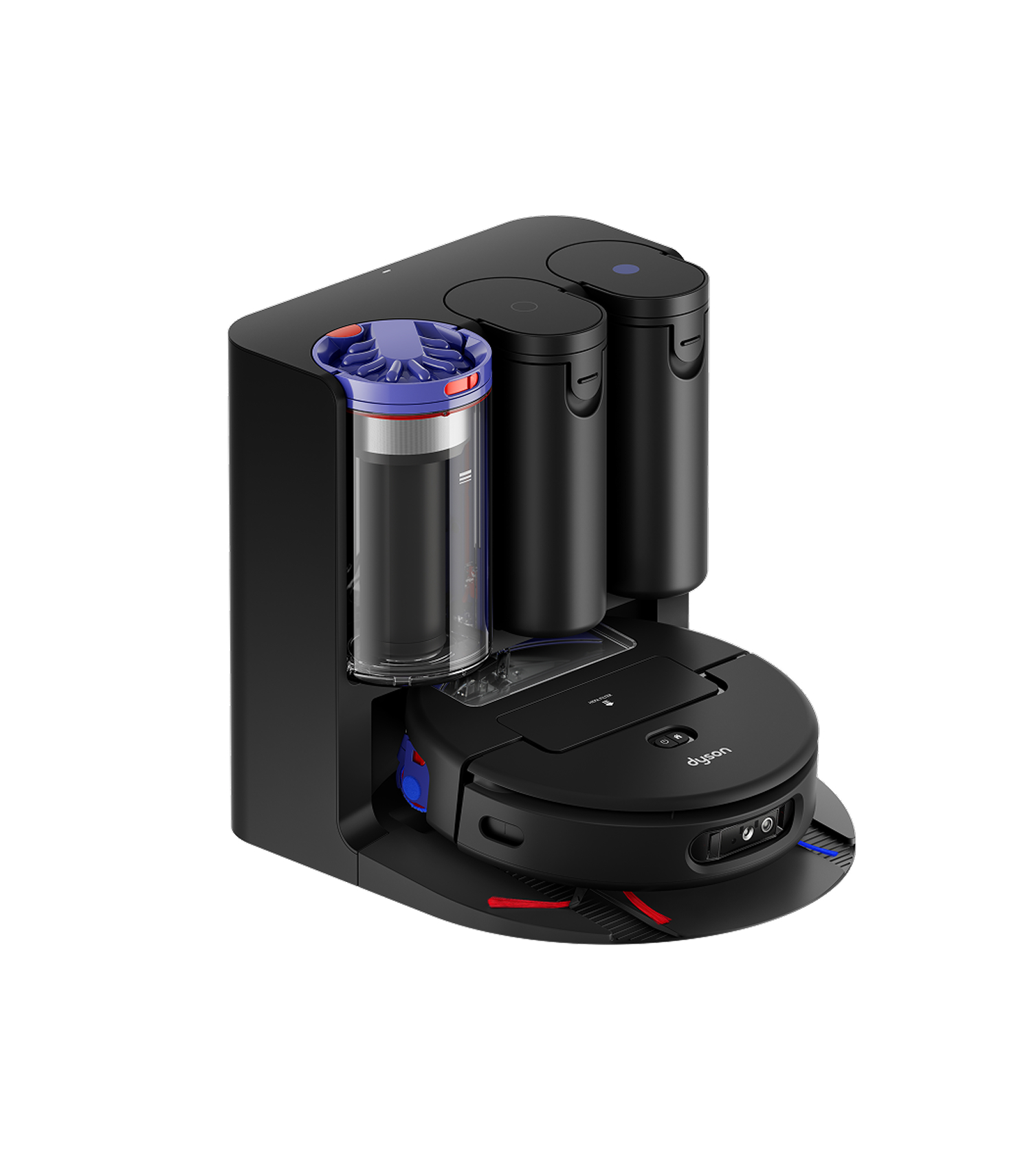
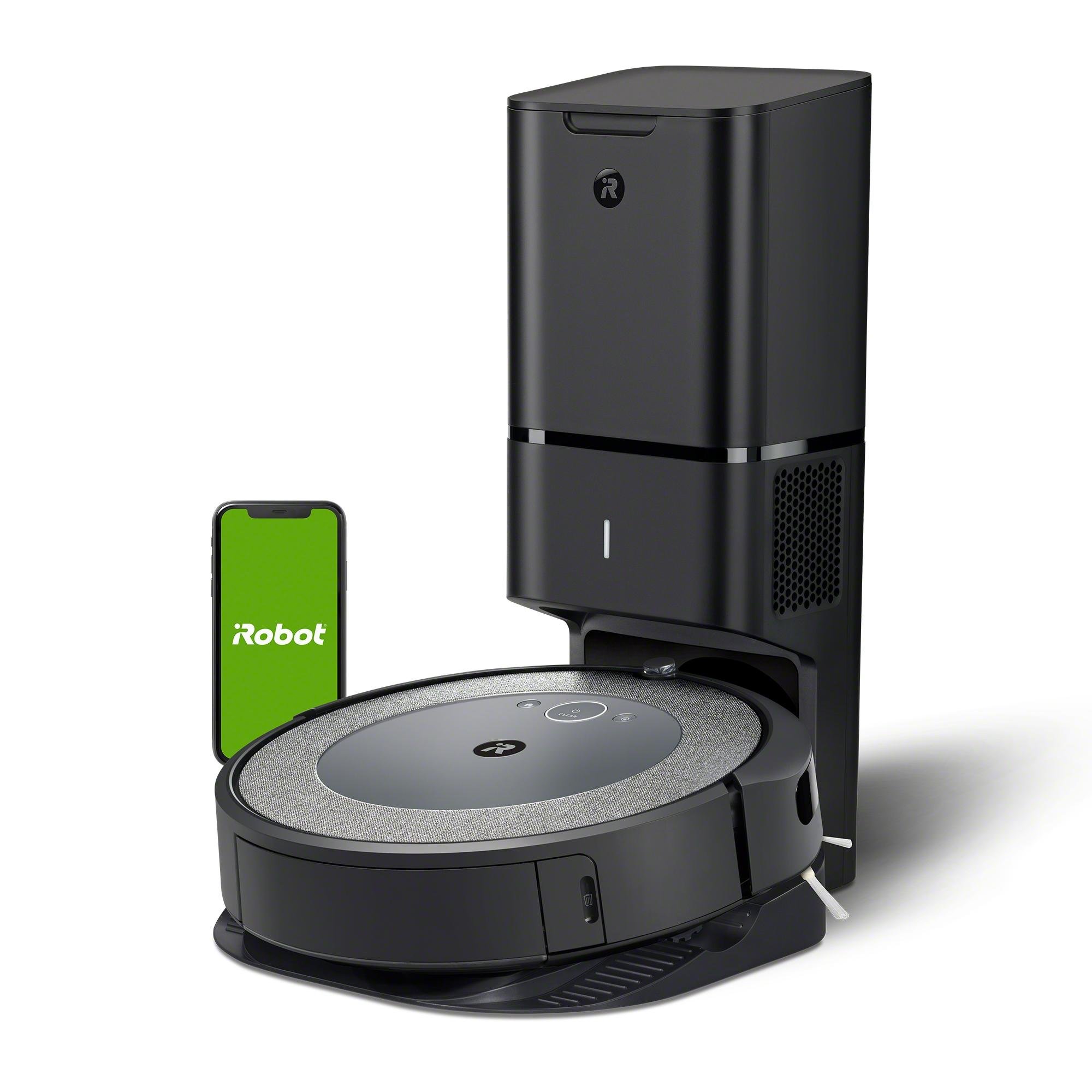
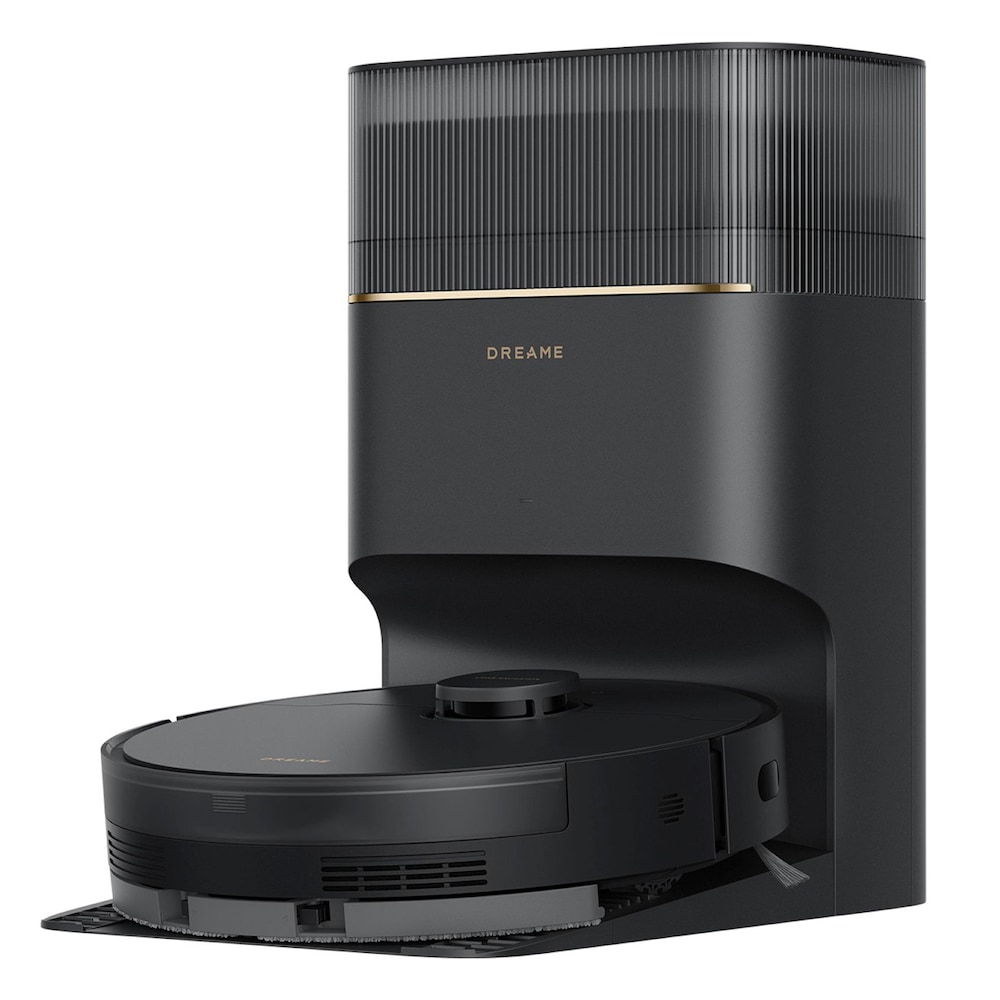
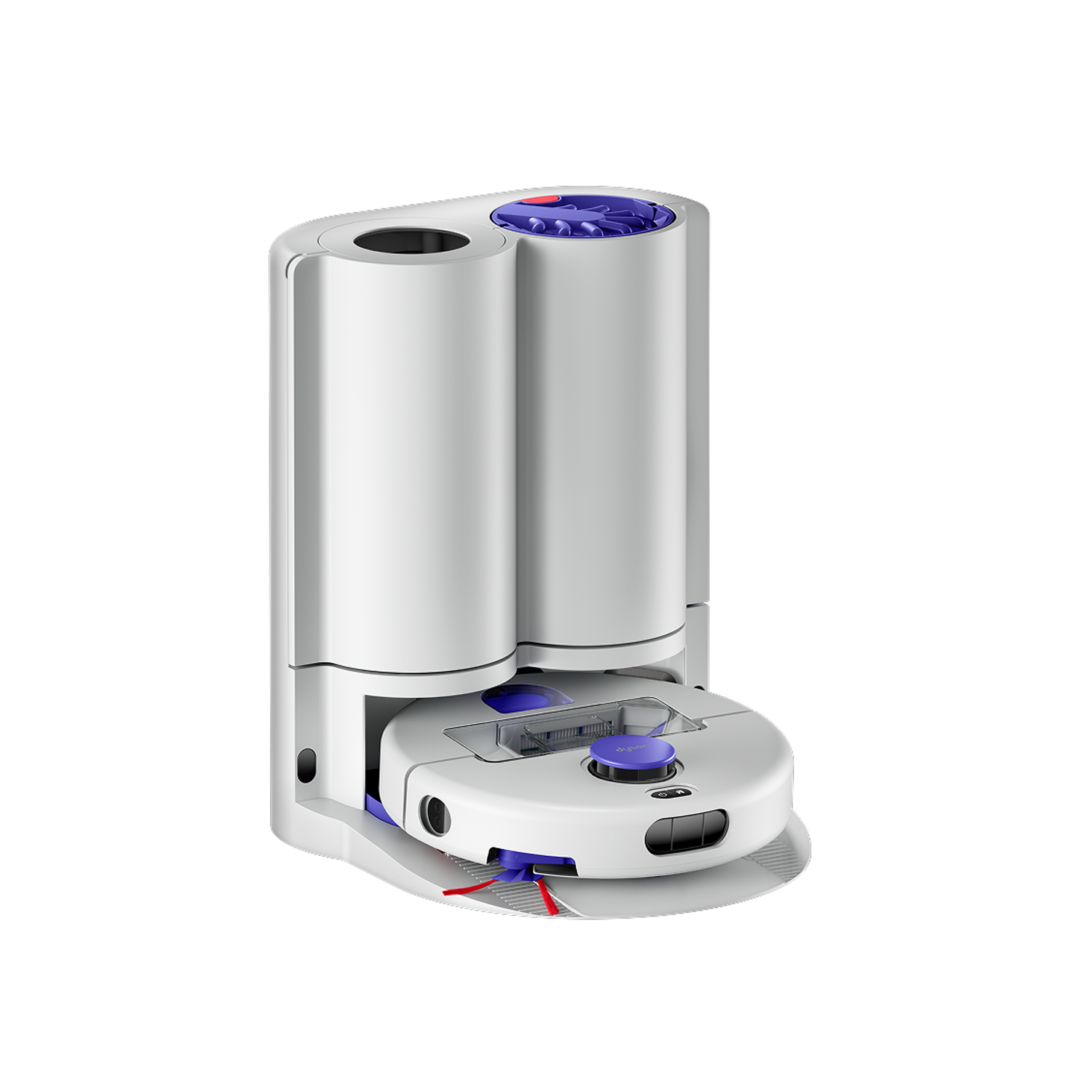
A dust station automatically empties the dust bin into a bag that is changed every one to two months. This makes the robot truly autonomous. Stations that also wash and dry mopping pads and refill water require a lot of space and cost significantly more; they are worthwhile for large hard floor areas.
Check your home
- Door thresholds: Most models manage up to around 2 cm.
- Furniture height: The robot must fit under sofas and beds; the height is listed in the data sheet.
- Multiple floors: The robot must be carried and able to store multiple maps.
- Noise level: For homes with home offices, pay attention to a quiet mode.
What to watch for in offers
- Sets with a station are often cheaper than buying the station separately.
- Previous year models usually offer the same navigation, just with slightly less suction power or mopping comfort.
- Spare parts (brushes, filters, bags) should be easy to find; this is easier with major brands.