Electronics · 8 min read · 28/09/2026
Home surveillance camera: WLAN, battery or PoE, storage and data protection
What matters with power supply, storage location, night vision and object recognition – and what you're allowed to film in Germany.
Ad: links to partner shops are affiliate links. If you buy through them we receive a commission; your price stays the same. Prices are snapshots; the price in the shop is binding.
A surveillance camera is bought quickly and often planned poorly: most disappointments don't come from bad image quality, but from empty batteries, false alarms and ongoing subscription costs. On top of that, there's the question in Germany of what can actually be in the picture. This guide sorts through the decisions you need to make before buying.
Power supply: battery, cable or PoE
The power question determines where the camera can hang and how much work it takes.
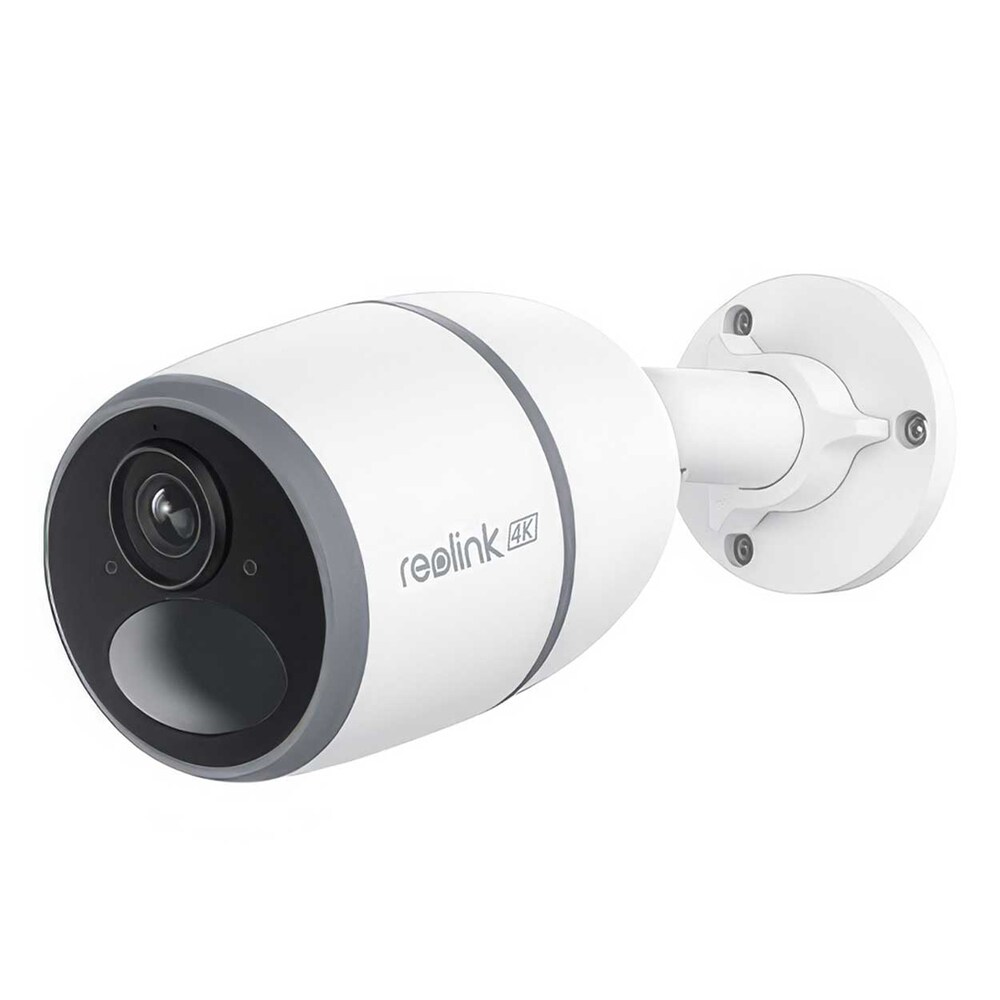
Battery cameras are the most flexible. You screw them to a wall, connect them to WLAN and you're done. The price: they don't record continuously, but wake up on motion. Between triggering and the first image, typically around a second passes, meaning fast movements at the image edge are lost. Runtime depends heavily on how often something happens: on a quiet garden side a battery lasts months, on a busy street often only weeks. Some systems offer a solar panel as a supplement, but in winter months it often doesn't provide enough power.
Wired cameras with power adapters deliver constant power and thus continuous recording, but need an outlet nearby. For indoor spaces that's unproblematic, outdoors it becomes a planning task.
PoE (Power over Ethernet) supplies the camera with power and data through a single network cable. That's the most reliable option: no WLAN dropouts, no battery changes, no radio interference. But you need a PoE switch or recorder and have to run cable – realistically only during new construction, renovation or if conduit is already in place. If you want to monitor a property long-term, you'll do best this way in the long run.
With WLAN cameras it's worth checking radio coverage at the mounting location. Exterior walls, insulation and distance to the router cost signal. If your phone already struggles there, the camera will be unreliable; how to handle that is covered in the guide to WLAN routers and mesh.
Storage location: microSD, base station, NVR or cloud
Here you decide on ongoing costs.
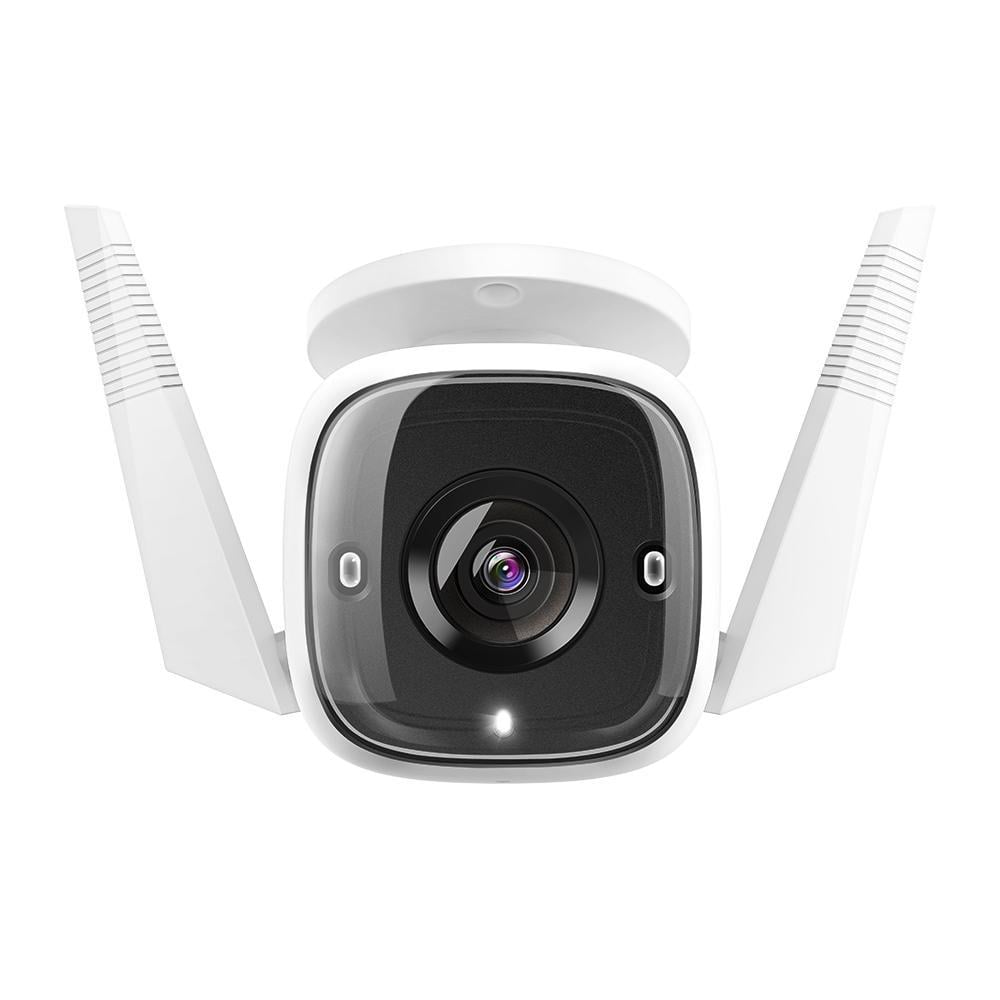
microSD card in the camera is the simplest solution and standard for many models from TP-Link, Imou or eufy. No subscription, no sharing with third parties. Downside: if the camera is stolen or destroyed, the recordings are gone. Look for cards designed for continuous writing (often called High Endurance) and check the maximum supported capacity.
Base station or NVR store centrally, usually hidden in the house. Systems like the eufy HomeBase or a classic network recorder with PoE cameras collect recordings from all cameras, often with more storage and encryption. That's the more theft-resistant option and pays off from about three cameras onward.
Cloud is convenient and fireproof, but costs ongoing. Typical are roughly 3 to 12 euros per month depending on number of cameras and retention period. Calculate that over three years before deciding on a cheap device with subscription requirement – the math quickly flips. Also check what features fall away without a subscription: some manufacturers tie person detection, recording history or video saving to the subscription, others run them locally.
A sensible compromise: local recording as standard, cloud optional for the most important camera at the entrance.
Resolution, field of view and night vision
Full HD (1080p) is enough to see that someone was there. To recognize a face or license plate, more pixel density helps. 2K, 3K and 4K are now common in the mid-range too and allow digital zoom without coarse artifacts. More important than the raw number is the distance: a 4K camera covering a 20-meter-wide courtyard delivers barely more pixels per face than a Full HD camera at the front door. Better close and narrow than wide and generic.
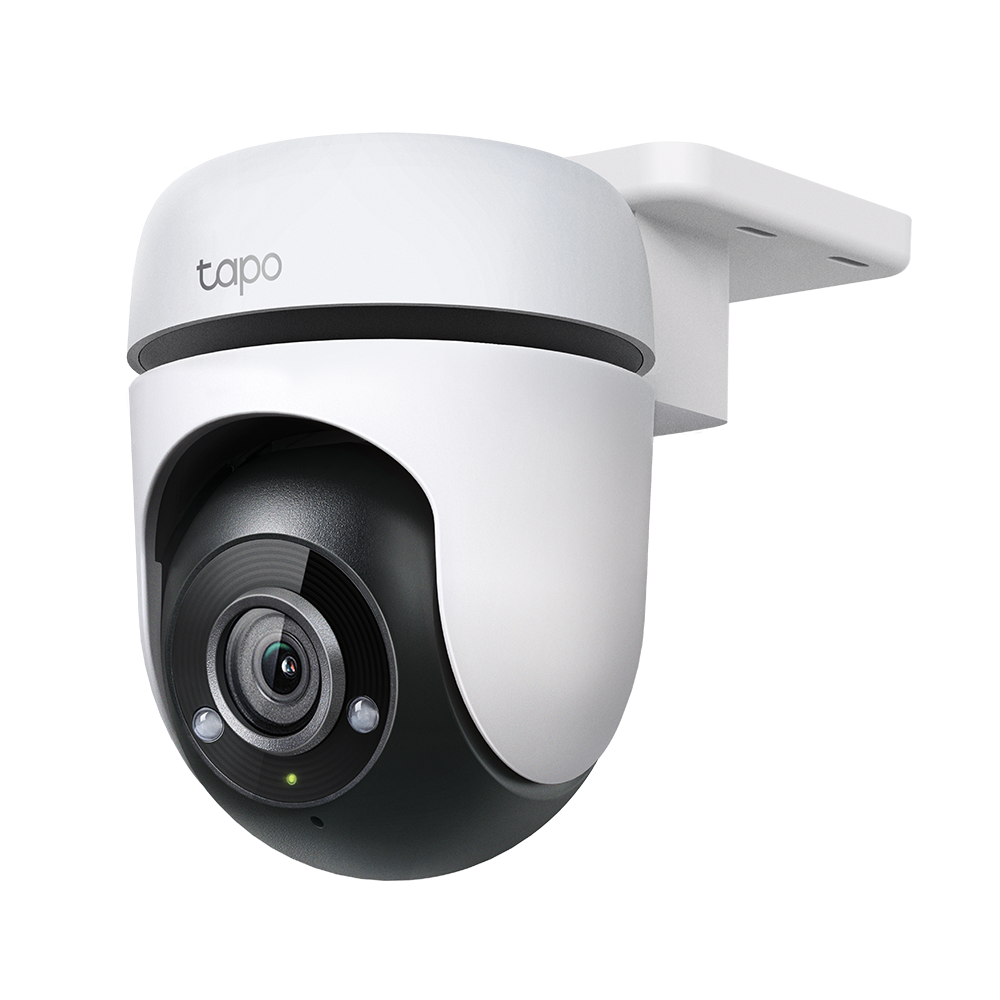
The field of view is usually between 100 and 130 degrees. Wider angle means more overview, but smaller details. Pan-tilt cameras (Pan & Tilt) cover up to 360 degrees and follow movements automatically – practical for indoors, but not a replacement for a fixed camera for targeted entrance protection.
For night vision there are three options: infrared delivers a black-and-white image without visible light, color night vision needs a bright sensor or a spotlight, and models with spotlight turn on a light when motion is detected. For identifying clothing and vehicles, color is much more useful. If you already use smart lighting, you can couple systems like Philips Hue Secure so lamps turn on when motion is detected.
Detection and false alarms
The most common reason cameras are muted after two weeks is false alarms. Pure motion detection via pixel changes reacts to branches, rain, shadows and headlights. It only becomes usable with object detection that distinguishes between person, vehicle, animal and package. Pay attention to whether this analysis runs on the device or in the cloud: local detection is faster, works when internet is down and is more privacy-friendly.
Additionally helpful are activity zones where you can mask out street or neighbor's property, plus sensitivity levels per zone. Some indoor cameras also detect sounds like breaking glass or baby crying. A PIR sensor (thermal motion) significantly reduces false triggers on battery cameras and saves power.
Data protection: what you're allowed to film in Germany
This is the part many skip – and that causes trouble later. The following points are general guidance and don't replace legal advice.
On your own property, in your own house or apartment, video surveillance is generally permitted as long as only your own areas are in the picture. It gets critical once public sidewalk, street or your neighbor's property are captured. Courts have repeatedly affirmed injunctions in such cases; shared areas in multi-family houses like stairwell, courtyard or laundry room are also tricky and realistic only with everyone's consent. Even the so-called surveillance pressure – the justified concern of neighbors about being filmed – can be problematic. Practical way to handle it: point the camera narrowly, work with private zones (masking in the image) and document this setting.
A warning sign is good practice and required in many situations, for example when visitors, delivery services or tradespeople are captured. It should hang visibly before the captured area and name those responsible and the purpose. Dummy cameras can also create surveillance pressure and are therefore not a legally safe shortcut.
Other points: audio recordings are legally much stricter than video and can be disabled on most cameras. Storage periods should be short; automatic overwriting after a few days to two weeks is standard. And cameras in indoor spaces where guests or cleaning staff move around need clear notification – many indoor models have a privacy mode or lens cover for this.
Price ranges
The range goes from simple indoor cameras to complete systems, so the spans are correspondingly wide.
- Up to about 50 euros: simple indoor cameras, usually Full HD to 2K, pan-tilt function, microSD slot. Solid for children's rooms, pet monitoring or hallway. Object detection often rudimentary.Ad For example eufy Indoor Cam 2K Pan & Tilt for 41,90 € at Coolblue
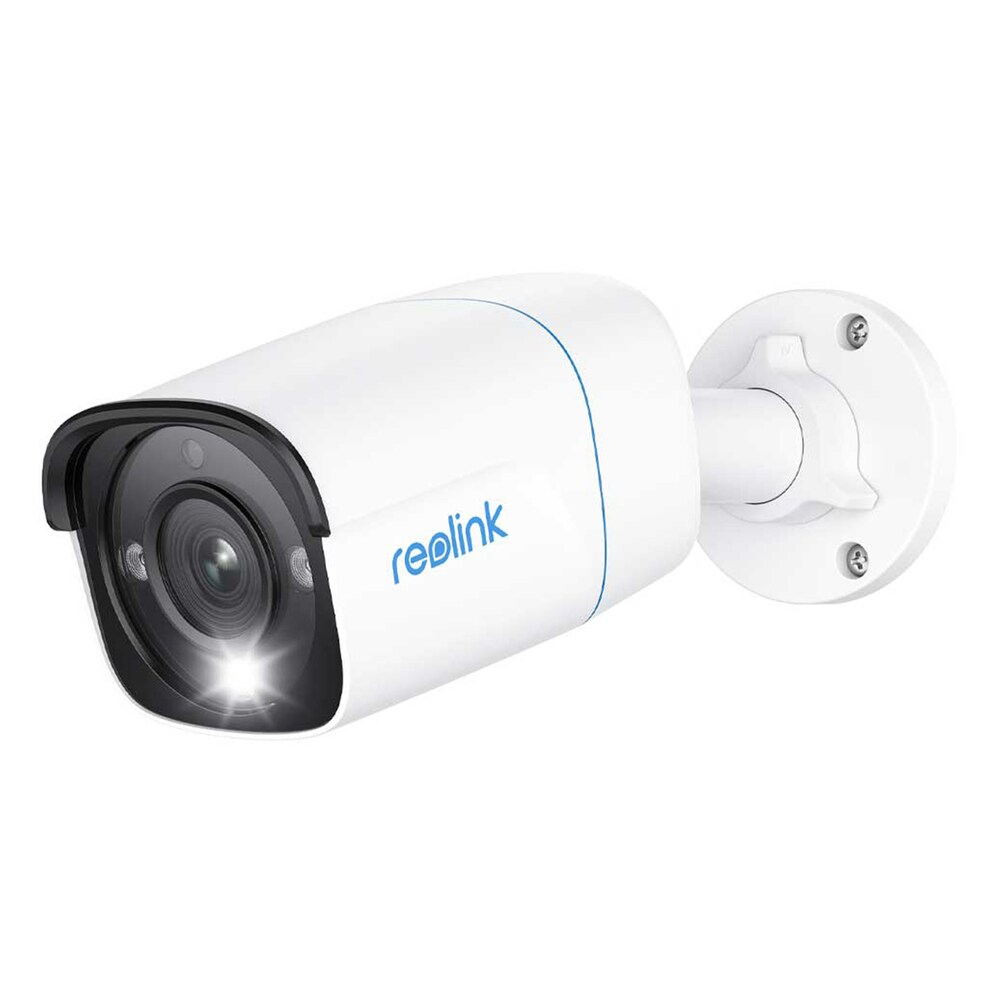
- About 50 to 120 euros: the price range with the best value. Weatherproof outdoor cameras with 3K or 4K, color night vision, local person and vehicle detection, often without subscription requirement. Simple battery-powered video doorbells also fit here.Ad For example Reolink P330 IP Überwachungskamera 8MP for 69,00 € at notebooksbilliger
- About 120 to 250 euros: battery cameras with long runtime, doorbells with chime in set, cameras with smart home system integration, double packs. Systems with base station start appearing here too.Ad For example eufy Video Doorbell Battery Set for 129,90 € at Coolblue
- From about 250 euros: multi-camera sets, PoE systems with recorder and cameras with particularly bright sensors. For a whole house with four to six viewpoints you'll spend 400 to 900 euros depending on requirements.Ad For example eufyCam S330 3‑Kam for 369,00 € at Anker
Multi-packs are usually cheaper per camera than individual purchases – but only make sense if you've planned the positions beforehand. Whether waiting for a discount action is worth it is covered in the guide to spotting real discounts.
Typical buying mistakes
- Mounted too far away. A camera under the roof edge sees a lot but recognizes no one. Two to three meters height and a narrow crop delivers more than a panorama position.
- Overlooked subscription costs. A cheap device with mandatory subscription is more expensive after two years than a camera with microSD slot.
- WLAN not checked. Many cameras only broadcast on the 2.4 GHz band. That's good in itself (more range) but requires the network to be stable at the mounting location.
- Copied battery life from advertising. Manufacturer specs apply to few triggers per day.
- Set everything to maximum sensitivity. If you get a hundred notifications a day, you'll soon stop looking at any.
- Didn't clarify with neighbors and camera crop. A quick conversation beforehand and a properly set mask prevent most conflicts.
- Bought video doorbell without matching chime. Not every video doorbell works with existing doorbell transformer; some need a separate receiver.
Checklist before buying
- How many viewpoints do I really need, and exactly where?
- Power outlet, network cable or battery at this location?
- Storage locally (microSD, base station, NVR) or cloud – and what does that cost per year?
- Does person and vehicle detection run without subscription and without internet?
- Night vision in black and white or color, with or without spotlight?
- Can activity zones and private zones (masking) be adjusted?
- Is public area or neighbor's property in the picture?
- Warning sign present, audio recording consciously decided, storage period set short?
- With WLAN: signal strength checked at mounting location?
Frequently asked questions
Is a camera without subscription really enough?
For most households, yes. Recordings on microSD card or base station, combined with local person detection, cover everyday needs. A subscription mainly makes sense if it's important to you that recordings still exist after a camera theft – or if your desired model ties central features only to the cloud.
Am I allowed to film the sidewalk in front of my house?
Generally not. Public areas basically don't belong in the picture range of a private camera; the same applies to your neighbor's property. Point the camera narrowly at your own area and use the masking function for edge areas. If unsure in a multi-family house or in dispute with neighbors, legal advice is worthwhile.
Battery or wired camera outdoors?
Battery if no line is available and the spot isn't constantly frequented. Cable or PoE if you want continuous operation, gapless recording and maximum reliability. A mix is common: wired at the main entrance, battery at the garage or garden gate.