Electronics · 6 min read · 22/09/2026
Buy a smartwatch: ecosystem, battery life, sensors and the question of LTE
Whether fitness companion or wrist computer: which smartwatch suits your smartphone, how long the battery lasts and which features you'll actually use.
Ad: links to partner shops are affiliate links. If you buy through them we receive a commission; your price stays the same. Prices are snapshots; the price in the shop is binding.
A smartwatch is only as good as its connection to your smartphone. Before you look at design or price, the operating system of your phone determines which watches are even an option.
First the ecosystem
- iPhone: Only the Apple Watch offers full functionality. Watches from other manufacturers work with limitations, without replies to messages and without some health features.
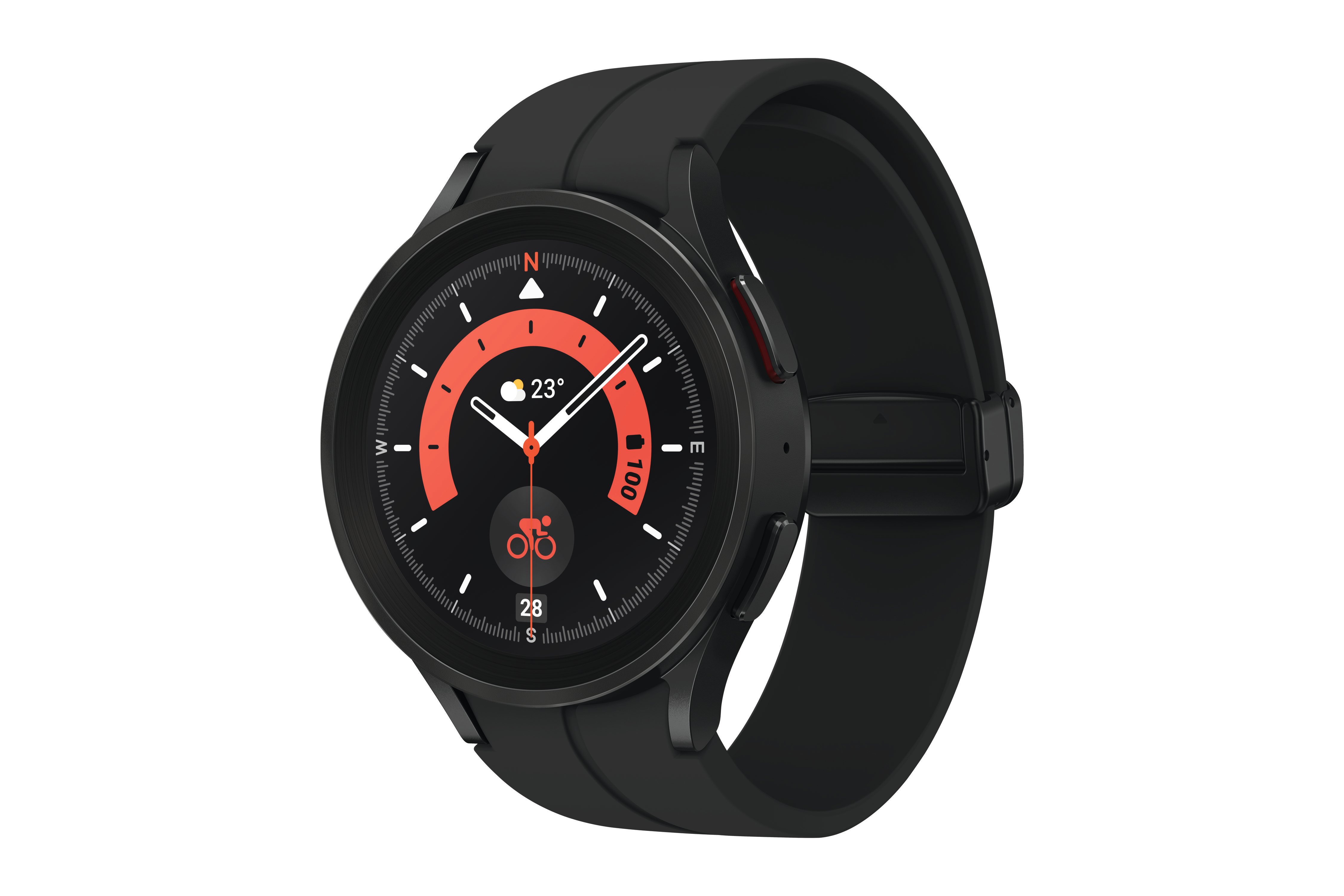
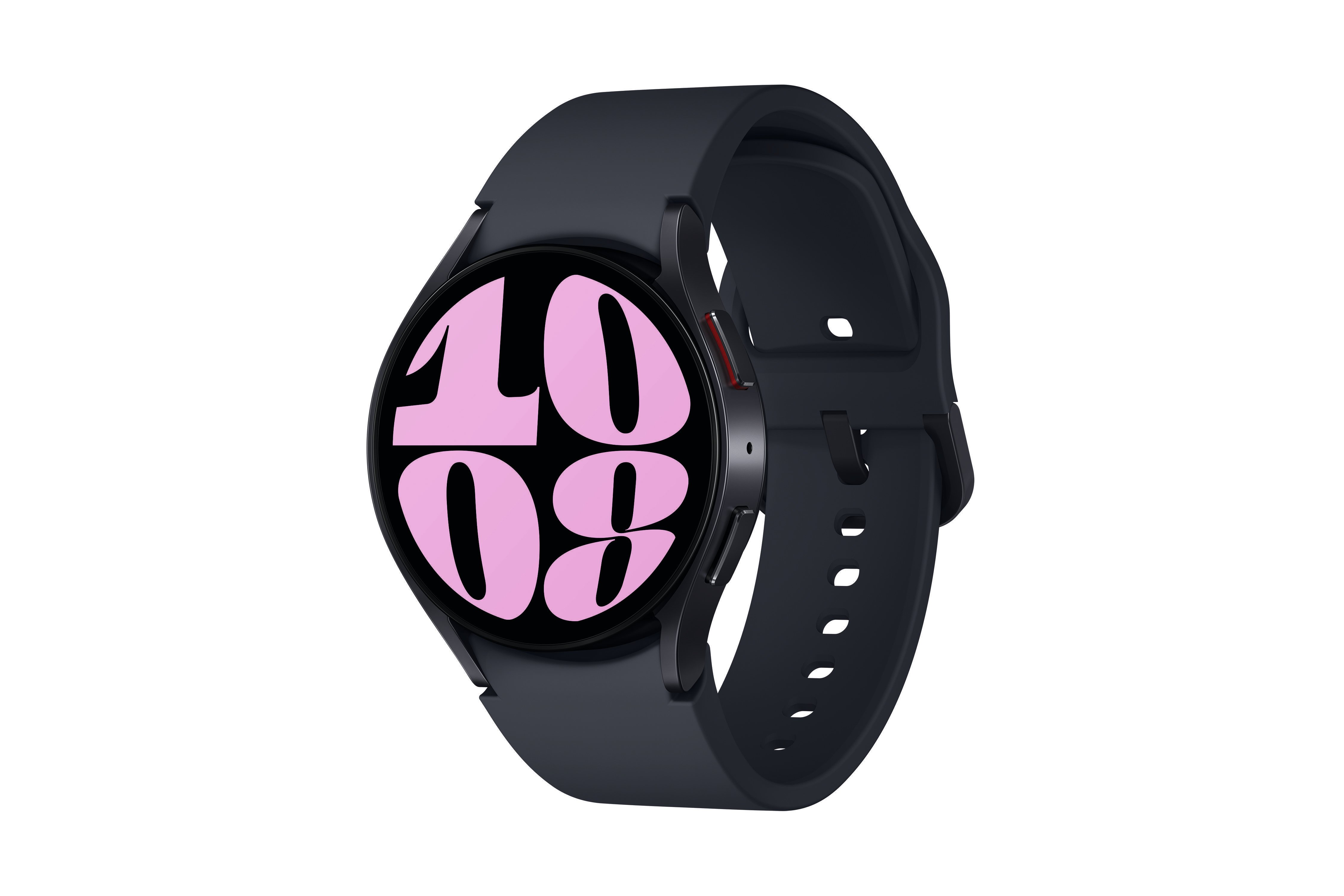
- Android: Watches with Wear OS (Samsung, Google, others) are best integrated, Samsung watches unlock some features only with Samsung phones.
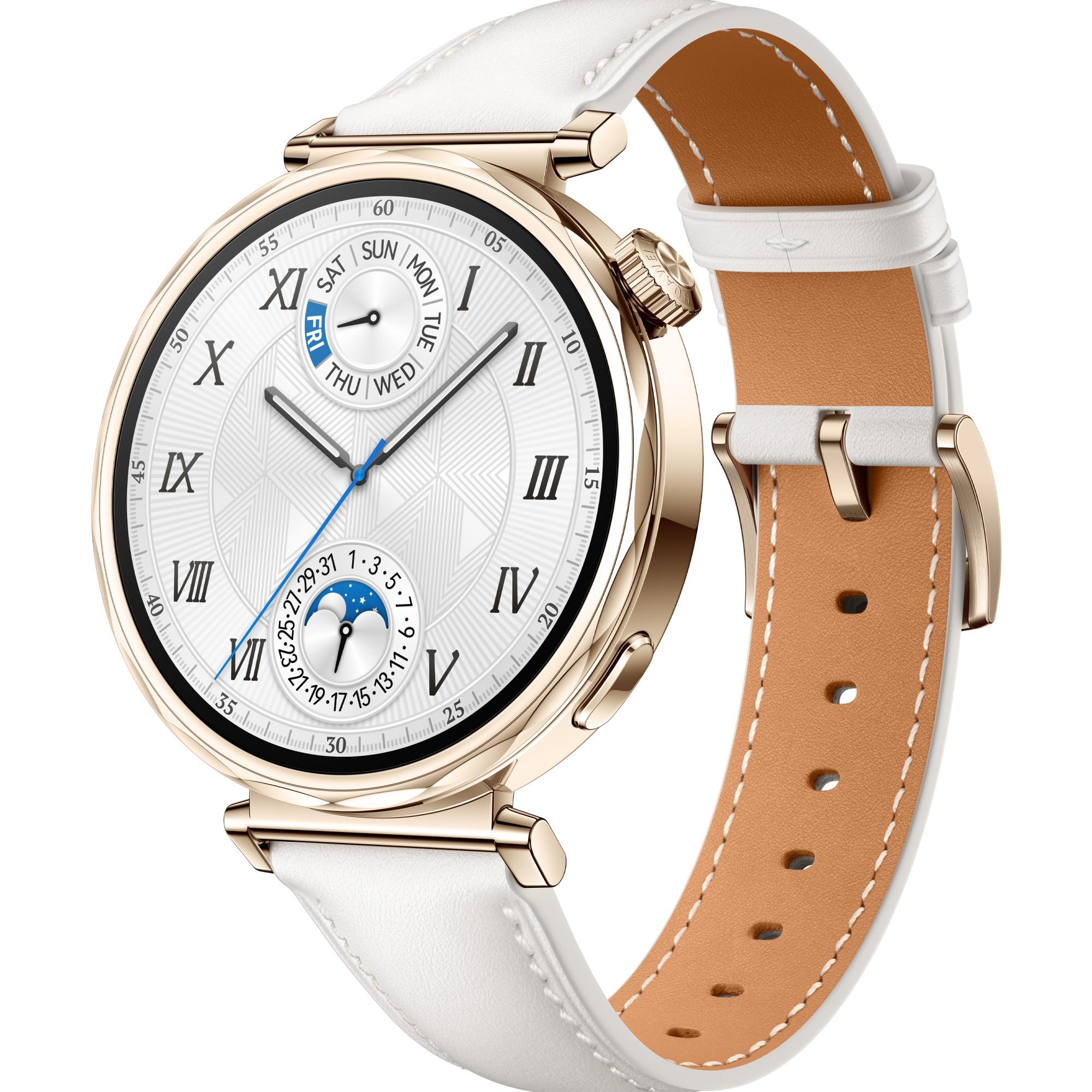
- Both worlds: Manufacturers like Garmin, Amazfit or Huawei use their own systems with apps on both platforms. They excel at battery life and sports, but have fewer apps.
Battery life: one day or two weeks
Watches with full app systems last one to two days. If you want to use sleep analysis, you'll need to fit charging time into your daily routine, for example while showering. Sports watches and trackers with a lean system last one to three weeks, but do without apps and voice assistants. Always-on display and GPS recording are the biggest power consumers.
Sensors and health
Pulse, step counter, sleep phases and blood oxygen saturation are standard. Differences exist in:
- ECG and atrial fibrillation alerts: In Germany only activated on certain models and no substitute for a doctor's visit.
- Skin temperature for cycle analysis and early disease detection.
- GPS accuracy: Dual-band GPS keeps the track even between high-rises and in forests.
- Water resistance: 5 ATM is enough for swimming, diving requires more.
LTE: freedom from your phone
With its own mobile connection, the watch makes calls and streams without a smartphone. You'll need an additional option from your mobile provider (eSIM), which not every plan offers. For runners who want to leave their phone at home, this is the main reason, otherwise usually unnecessary.
Size, band, display
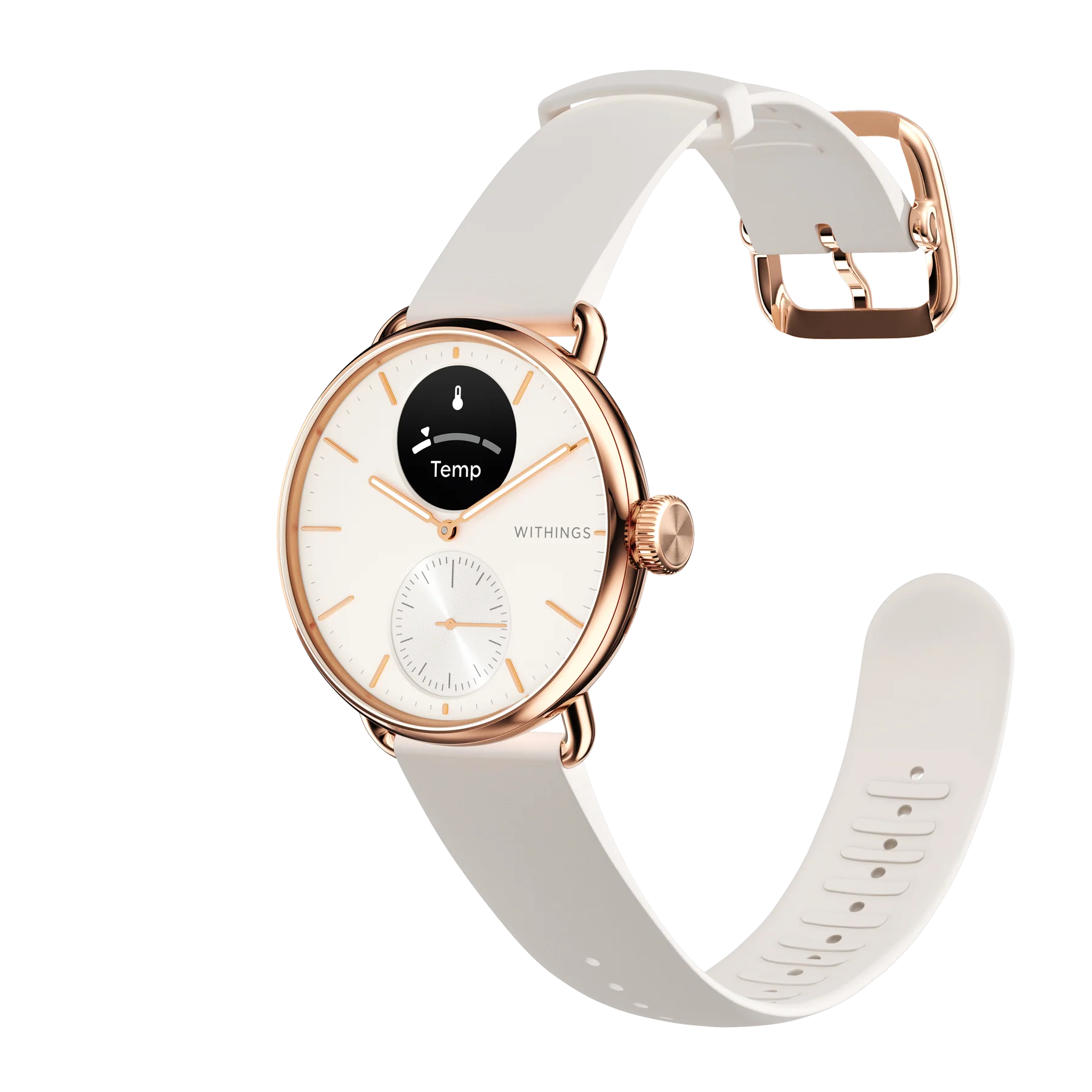
Case sizes from 40 to 46 mm: try on your wrist if possible. Larger watches have more battery, smaller ones sit more comfortably while sleeping. A standard lug width (20 or 22 mm) allows cheap bands from third-party manufacturers. Sapphire glass resists scratches better, but costs extra.
What to watch for in deals
- Previous generation instead of the newest model: the differences are often a slightly brighter screen and a faster chip.
- The Bluetooth version is significantly cheaper than the LTE version.
- Case material and band affect the price more than the technology inside.