Electronics · 6 min read · 22/09/2026
Buying a soundbar: 2.1, 5.1 or 7.1.4, and what Dolby Atmos really delivers
Channels, subwoofer, HDMI eARC and room size: Here's how to find the soundbar that makes your TV sound noticeably better without cluttering your living space with cables.
Ad: links to partner shops are affiliate links. If you buy through them we receive a commission; your price stays the same. Prices are snapshots; the price in the shop is binding.
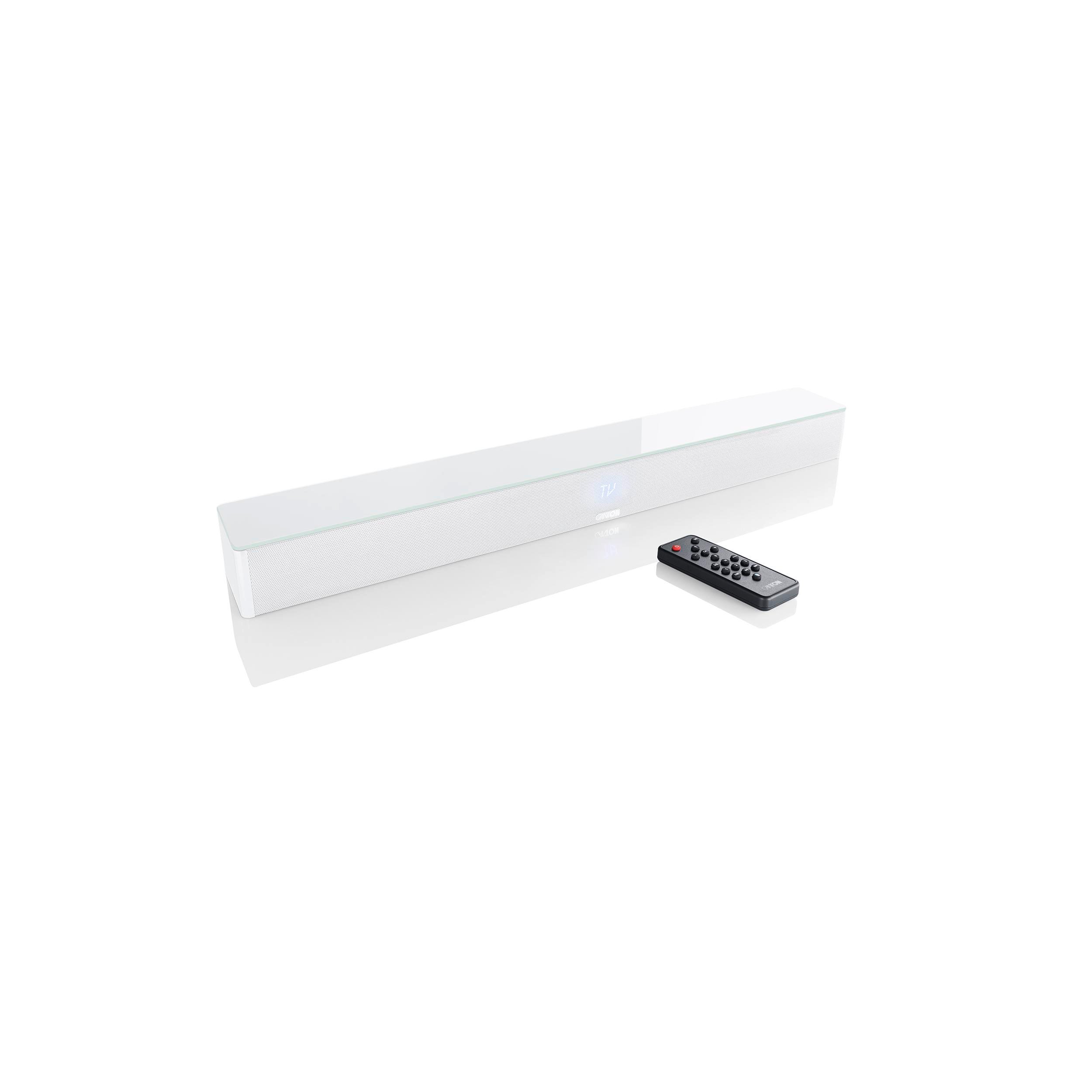
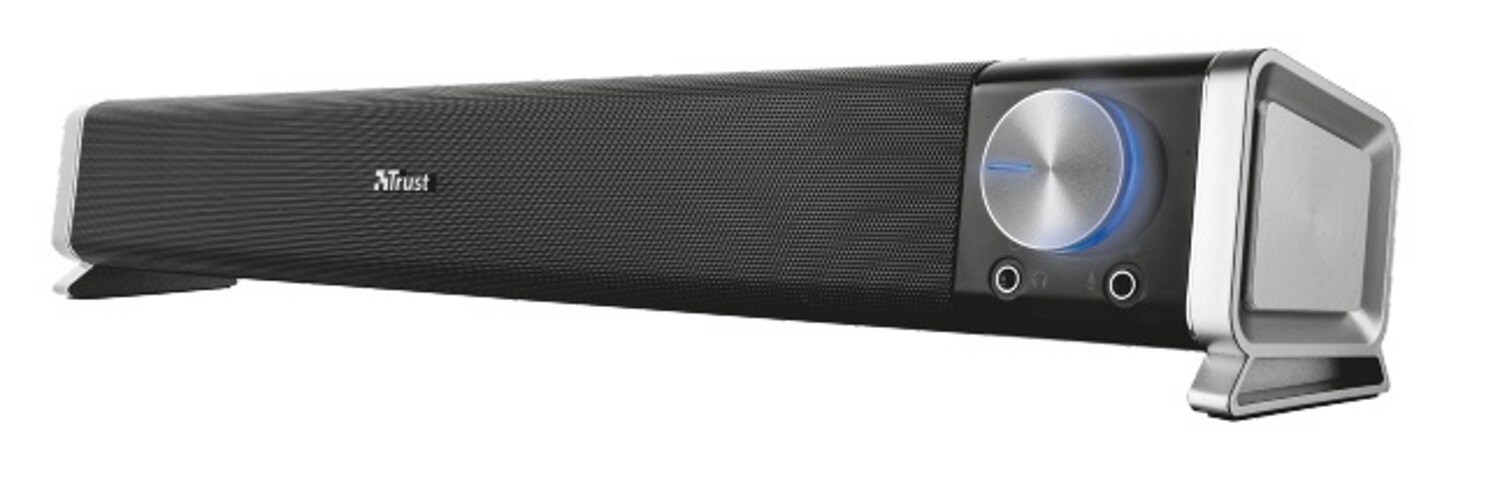
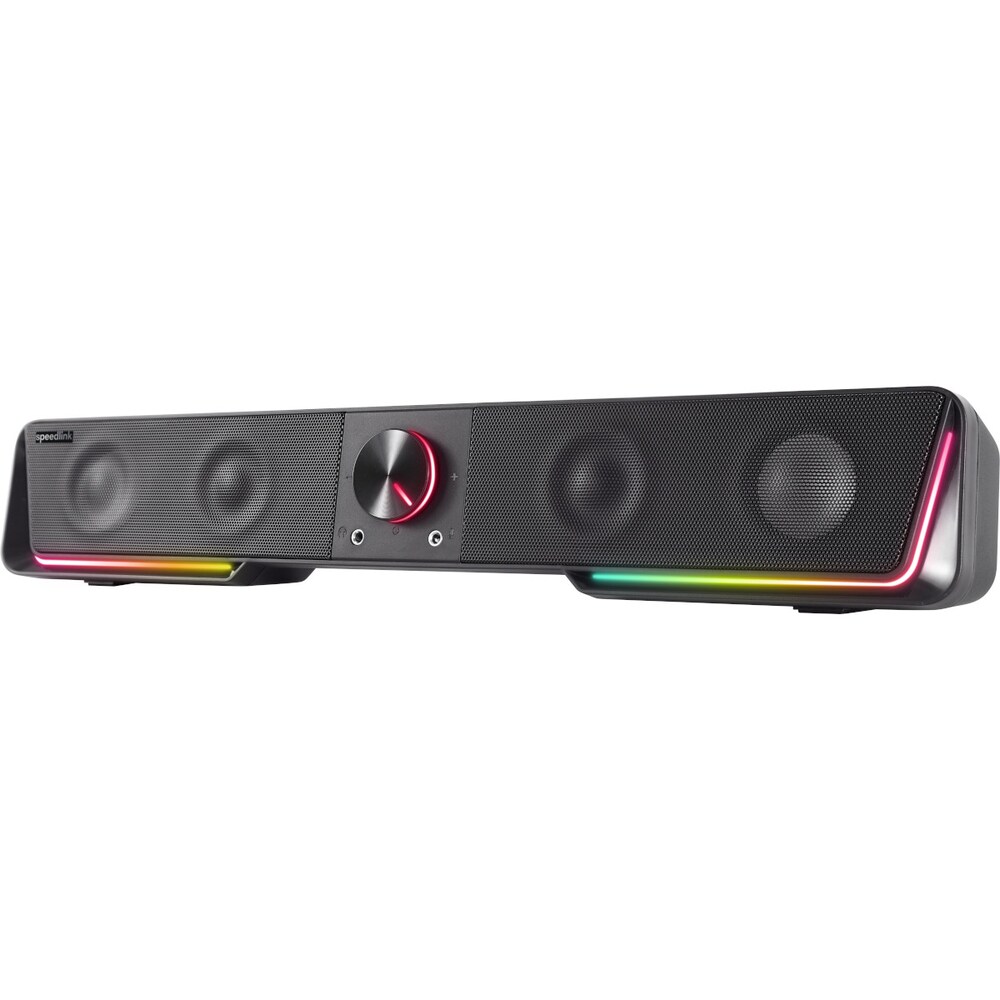
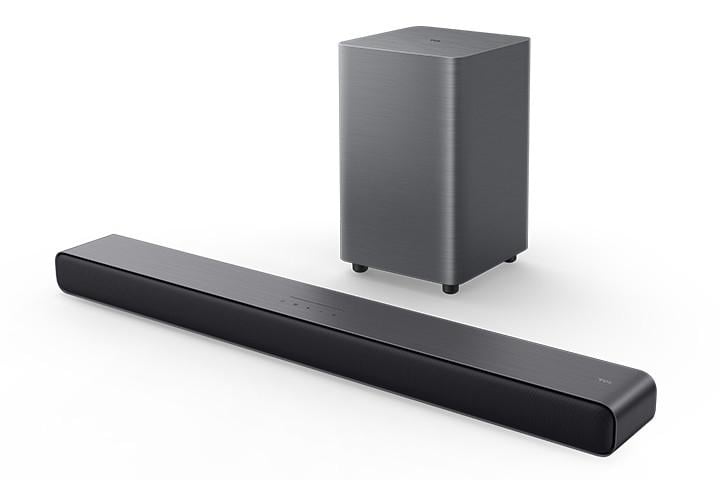
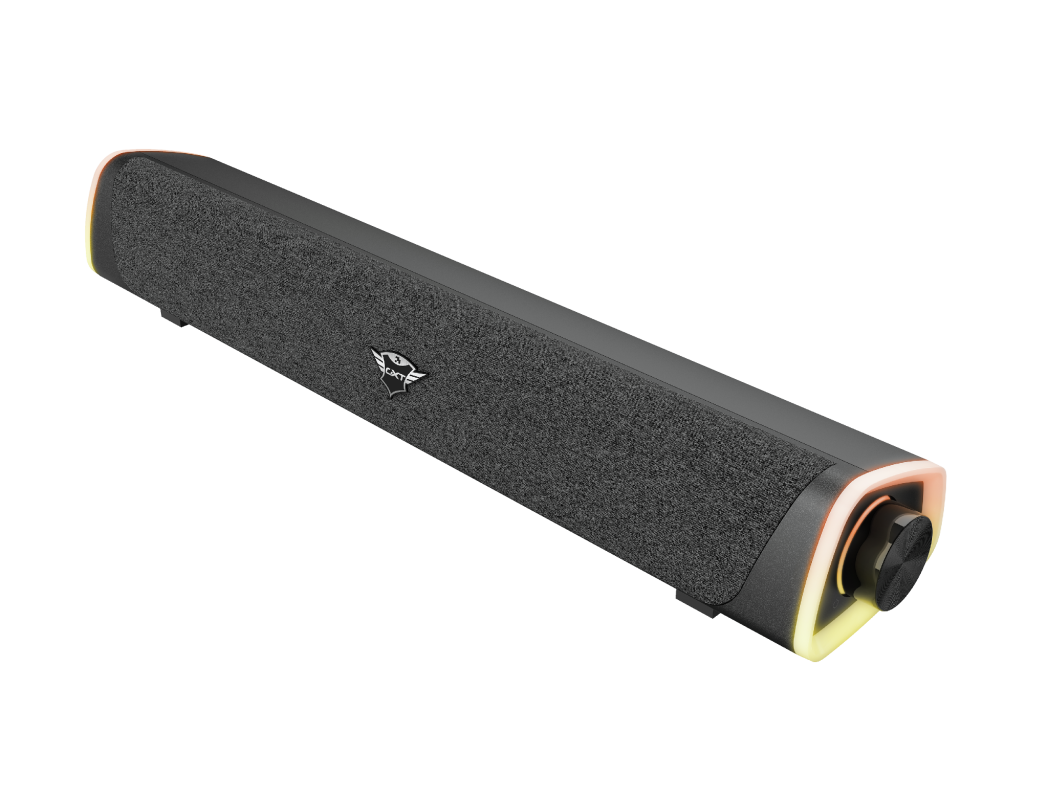
Flat televisions have little room for speakers. A soundbar is the easiest way to get clear dialogue and noticeable bass, and the range spans from narrow stereo bars to complete sets with subwoofers and surround speakers.
Understanding the numbers in the name
The channel designation describes the setup: the first number stands for speakers in front (and back), the second for the subwoofer, the third for height speakers pointing upward.
- 2.0 / 2.1: Stereo, with or without subwoofer. Completely sufficient for news, series and small rooms.
- 3.1: A dedicated center channel makes dialogue clearer. The most important step up.
- 5.1: With surround speakers, usually connected wirelessly. True surround sound for movie nights.
- 5.1.2 / 7.1.4: Additional height channels for Dolby Atmos and DTS:X. Sound noticeably comes from above when the ceiling reflects it.
Dolby Atmos: When it's worth it
Atmos effects come either from real height speakers that bounce sound off the ceiling, or through virtualization from a 2.1 system. The latter is a nice effect, but not comparable. For the reflected channels to work, the ceiling should be flat and not too high (under three meters) and shouldn't consist of wooden beams or sloped ceilings. And the source must deliver Atmos: streaming services at higher price tiers, UHD Blu-rays, modern gaming consoles.
Connections: eARC is the key
HDMI eARC transmits uncompressed surround sound from the TV to the soundbar and lets the TV remote control the volume. Check whether your TV has eARC; older ARC is sufficient for Dolby Digital, but not for lossless Atmos. An extra HDMI input on the soundbar is handy if your TV has few connections. Optical input is the fallback option for older devices, Bluetooth and WiFi (AirPlay, Chromecast, Spotify Connect) for music.
Subwoofer: Yes or no
A separate subwoofer delivers the bass that a bar cannot physically provide. It's almost always connected wirelessly, but needs a power outlet. In rental apartments you can control it via app. If you listen quietly in the evenings, you can get by well with a soundbar that has integrated bass speakers.
Size and placement
The soundbar should be roughly as wide as your TV or slightly narrower. Measure before buying: will it cover the infrared receiver or the lower edge of the picture? Many TVs have only a few centimeters of space between the stand and furniture. With wall mounting, don't let a shelf block the height speakers.
What to watch for in deals
- Sets with subwoofer and surround speakers are often cheaper than buying the individual pieces later.
- "Dolby Atmos" on the box doesn't tell you whether real height speakers are built in. The channel designation reveals it.
- Previous year models usually differ only in software details.