Electronics · 5 min read · 22/09/2026
Power bank and USB-C charger: Watts, Power Delivery and the numbers that really matter
20,000 mAh is not 20,000 mAh, and 65 watts don't charge every device quickly. How to properly compare chargers and power banks.
Ad: links to partner shops are affiliate links. If you buy through them we receive a commission; your price stays the same. Prices are snapshots; the price in the shop is binding.
Almost all devices now charge via USB-C, but not every charger charges every device quickly. Two things decide: USB Power Delivery (PD) and the power in watts that actually arrives per port.
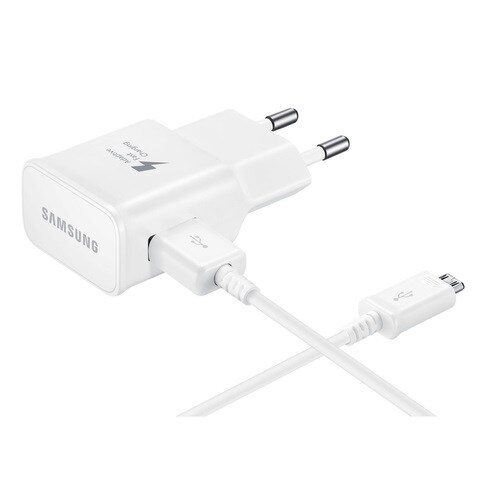
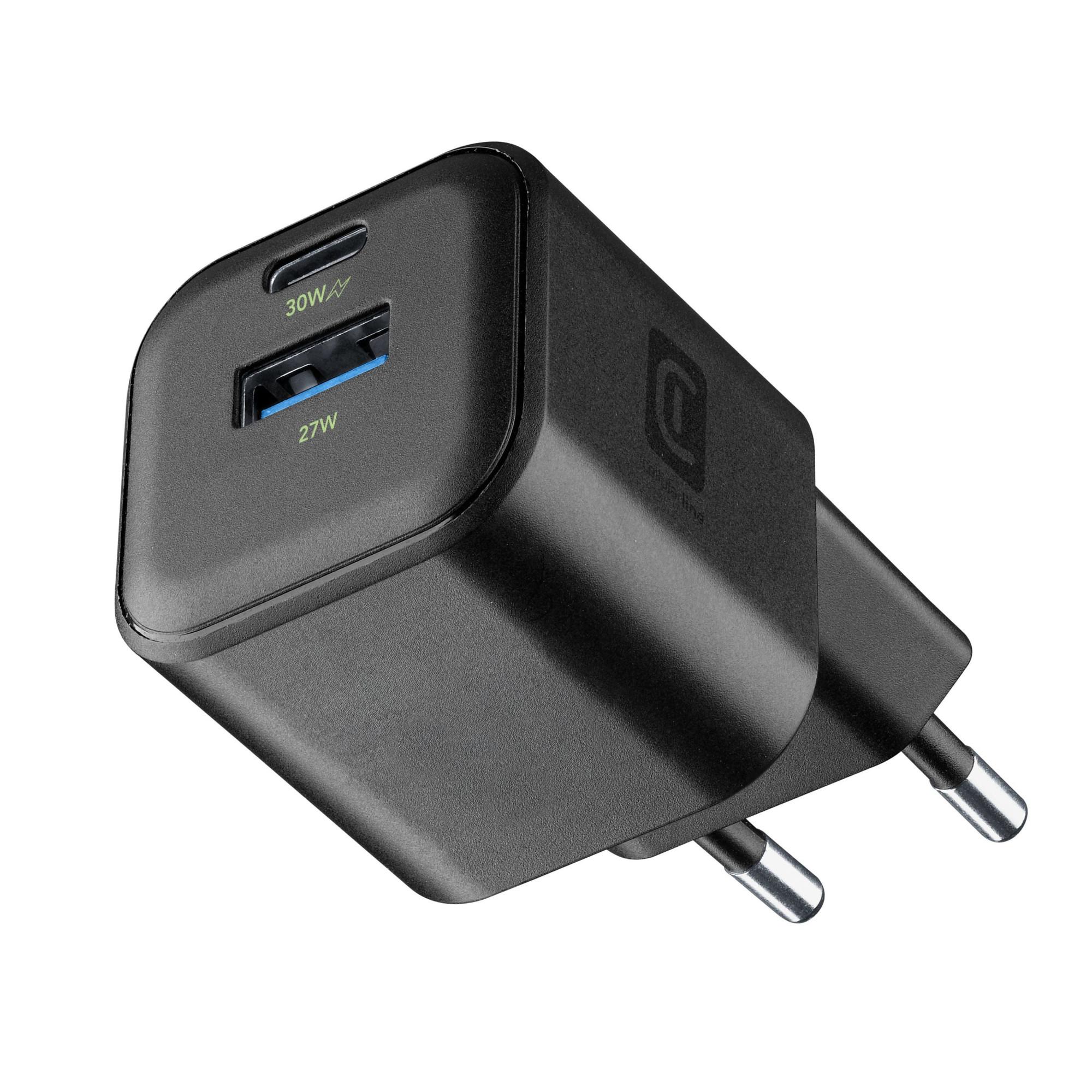
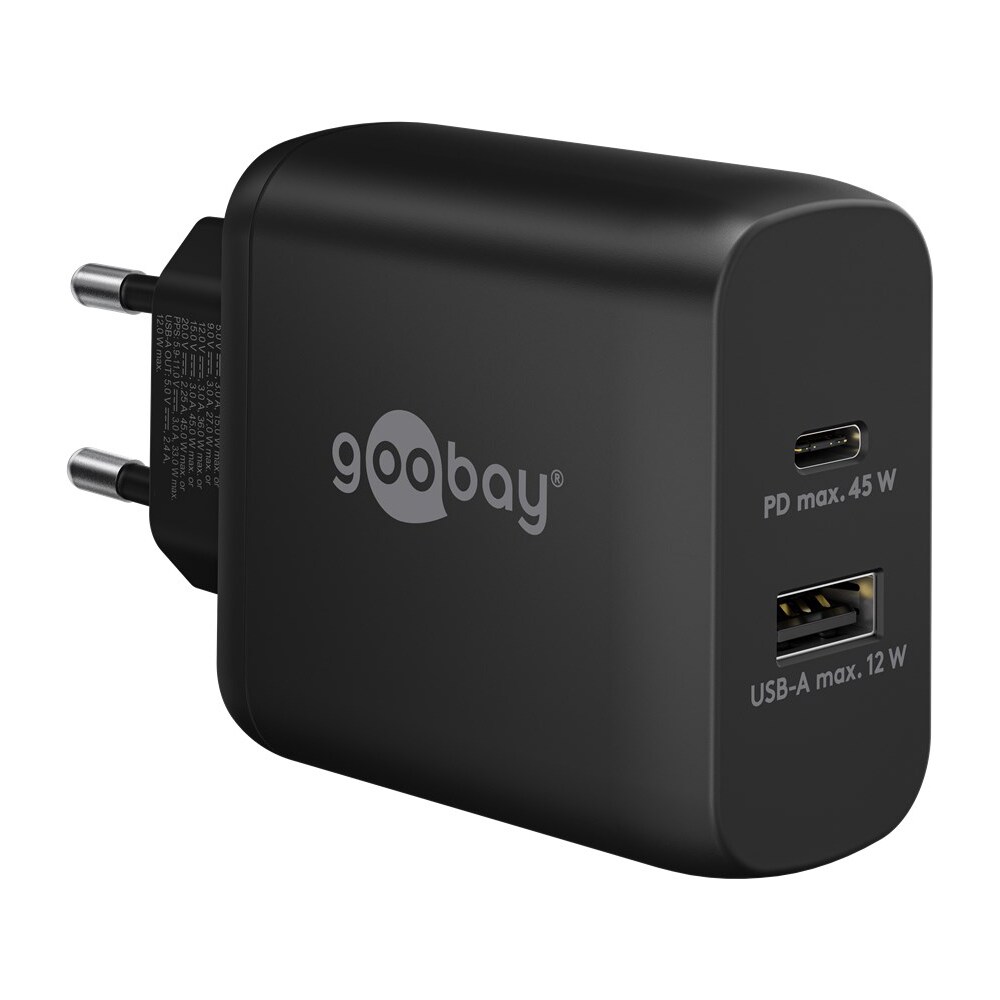
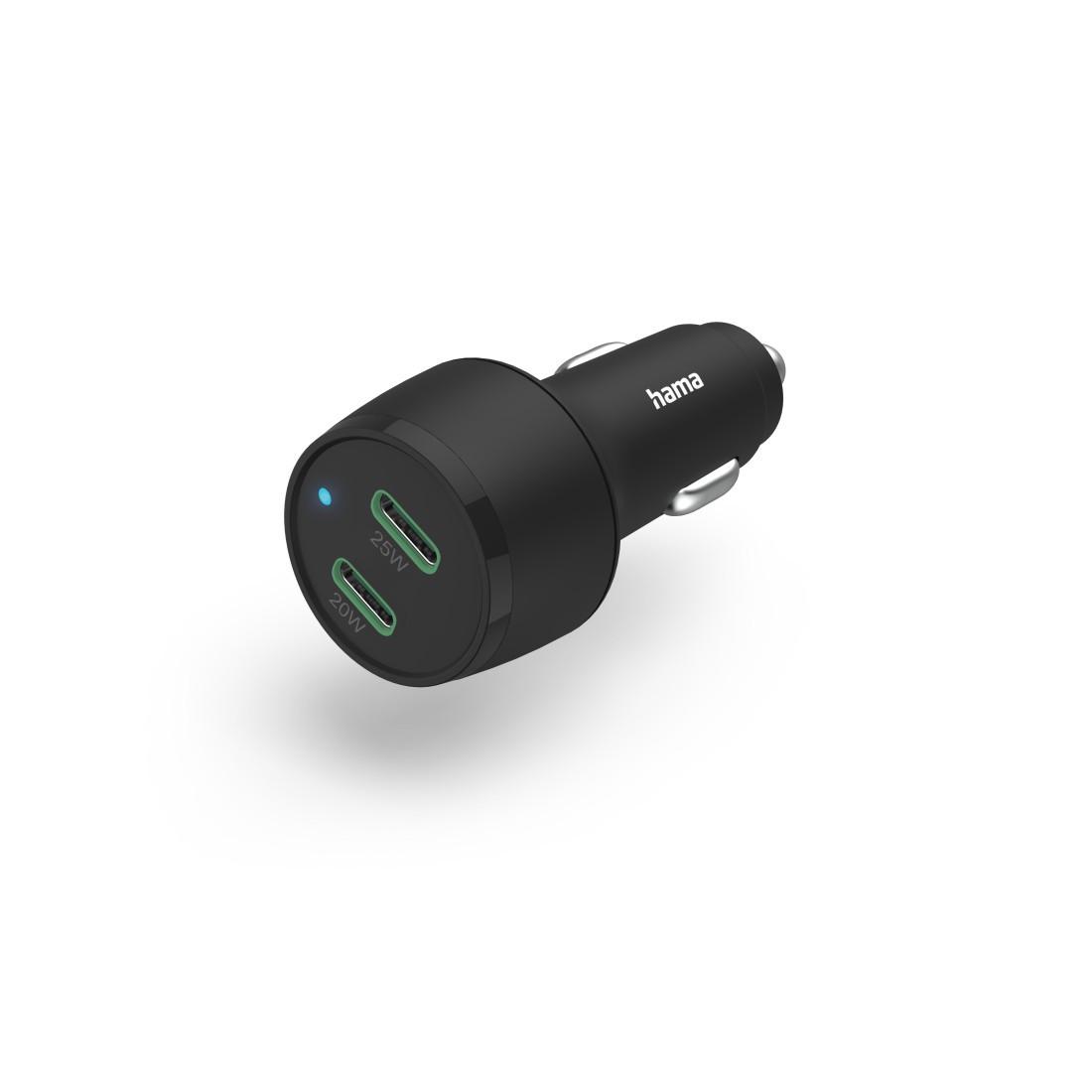
Chargers: Watts per port, not total
A 65-watt charger with three ports distributes the power as soon as multiple devices are connected. The datasheet shows how the watts are divided. Important guidelines:
- 20 to 30 W: Smartphones and headphones, fast enough for most phones.
- 45 W: Tablets, small notebooks and phones with particularly fast charging.
- 65 W: 13 to 14-inch notebooks and everything smaller. The all-rounder for your bag.
- 100 W and more: 16-inch notebooks and gaming devices, often charging two notebooks simultaneously.
GaN chargers are significantly smaller and cooler at the same power compared to conventional power supplies and are the right choice today.
Power Delivery and PPS
USB PD is the standard that notebooks, tablets and most smartphones support. For Samsung devices, additional PPS enables full fast charging. Individual manufacturers' proprietary standards (such as with some Android brands) charge third-party devices only at basic speed.
Cable: The overlooked part
For over 60 watts, you need a cable rated for 100 or 240 watts (E-marker chip). Cheap cables limit you to 60 watts or less. For data and video, the data standard also matters: a pure charging cable does not transmit video to the monitor.
Power banks: Calculate capacity honestly
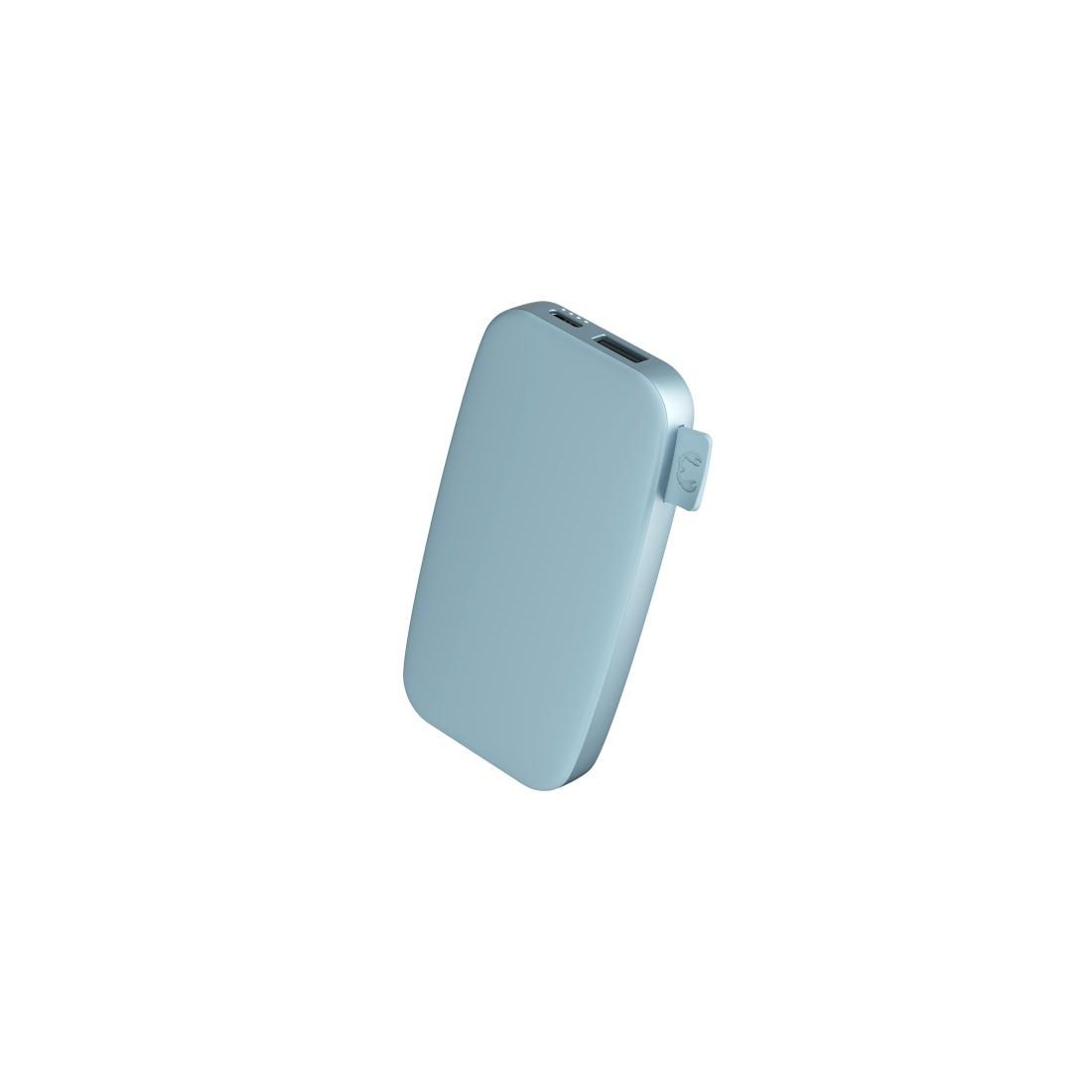
The specification in milliampere-hours refers to the cell voltage. After conversion losses, about 60 to 70 percent reach the device: a 10,000 mAh power bank charges a smartphone with 5,000 mAh about 1.3 times, not twice. Watt-hours (Wh) are the more honest specification and matter for air travel: up to 100 Wh (around 27,000 mAh) the power bank may go in carry-on luggage, from 100 to 160 Wh only with airline approval, beyond that not at all.
- 5,000 to 10,000 mAh: Daily reserve for your smartphone, lightweight.
- 20,000 mAh: Multiple charges or a notebook once, but 400 to 500 grams heavy.
- Notebook power banks need at least 45, preferably 65 watts output via PD.
A built-in cable or integrated power outlet saves items in your bag.
Safety
Only buy devices with CE marking and overheat protection, avoid nameless products without imprint. Do not leave power banks in hot cars and do not continue using them if the housing is damaged.
What to look for in offers
- For multi-port chargers, check the power distribution when used simultaneously.
- For power banks, compare watt-hours and output power per port, not just mAh.
- Buy cables with power rating (100 W / 240 W), otherwise the cable will bottleneck your notebook.