Buying advice
The camera matters first, and less for its megapixels than for sensor size and stabilisation: a mechanical three-axis gimbal delivers steadier footage in wind than purely electronic stabilisation. Also look at the transmission technology, since it determines range and the image quality of the live preview; modern radio systems hold the connection far more reliably than plain Wi-Fi. The third point is obstacle sensing. Models that only look forward, or not at all, rarely forgive mistakes during backward flight, which can get expensive early on.
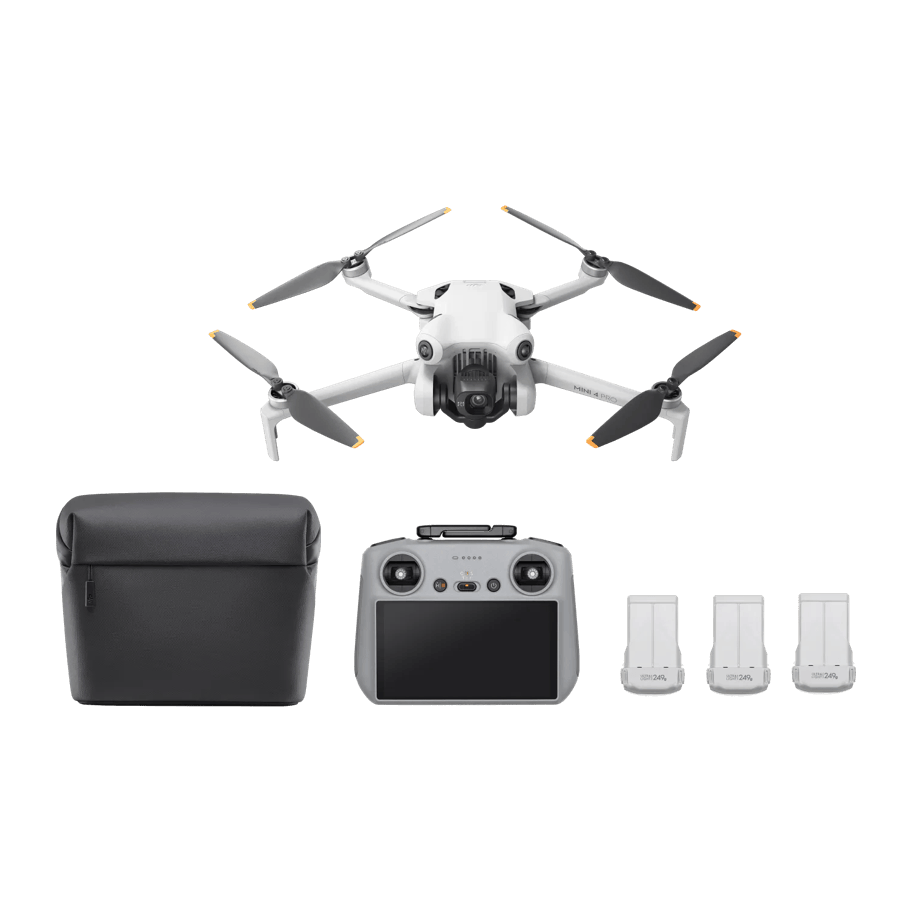
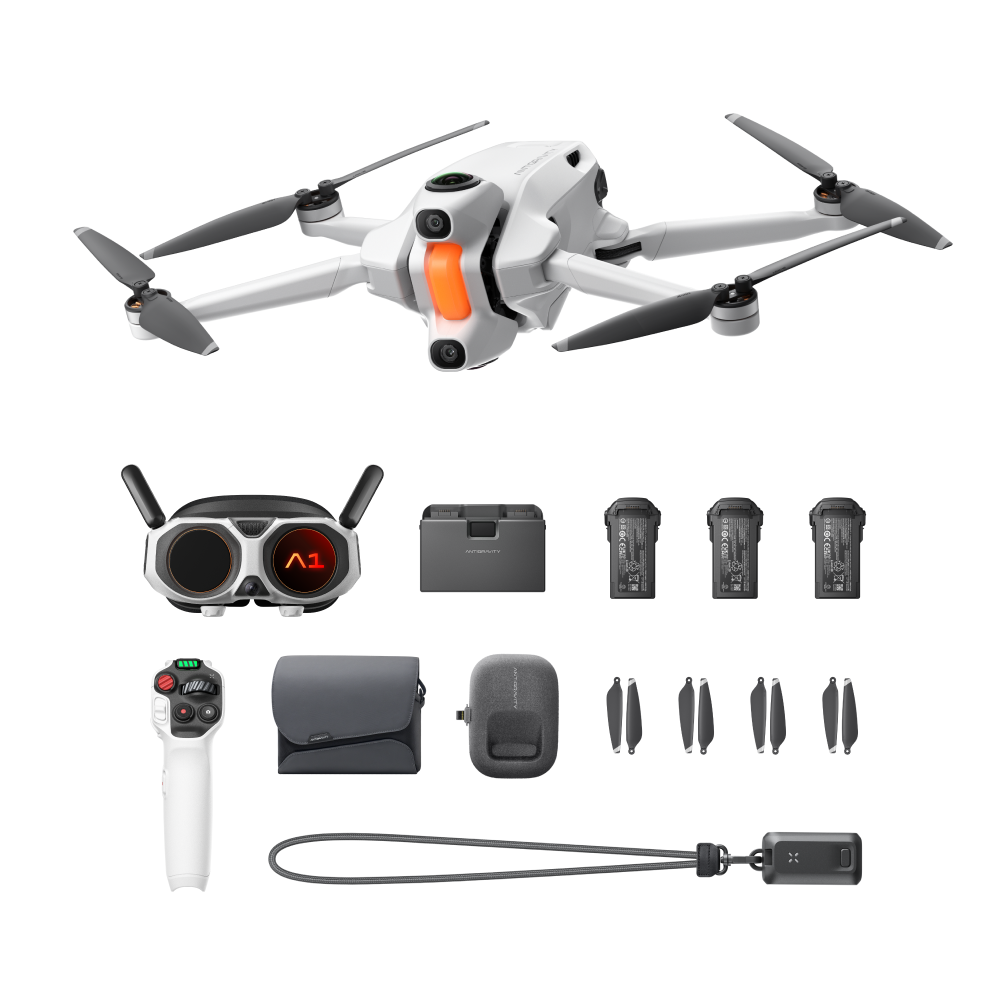
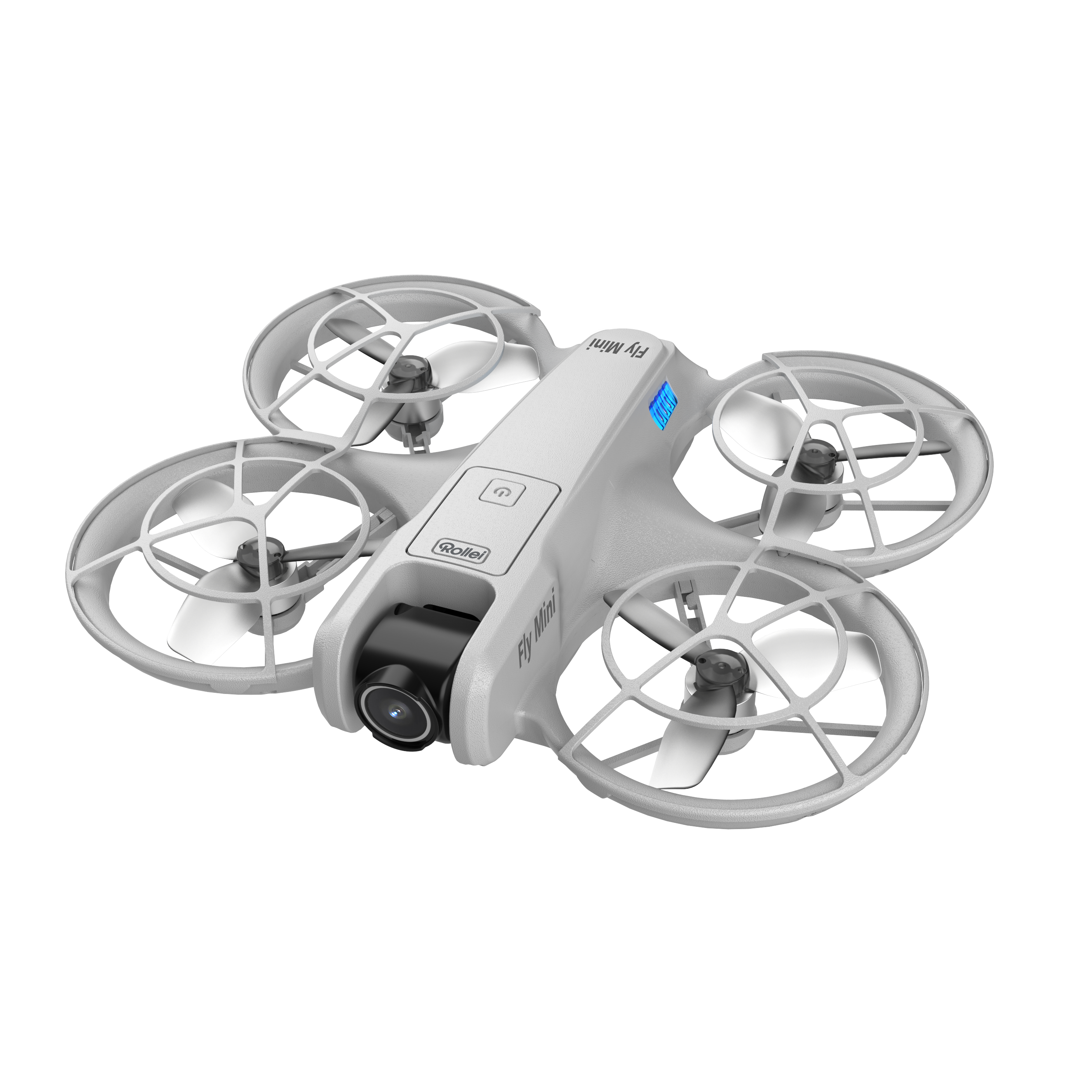
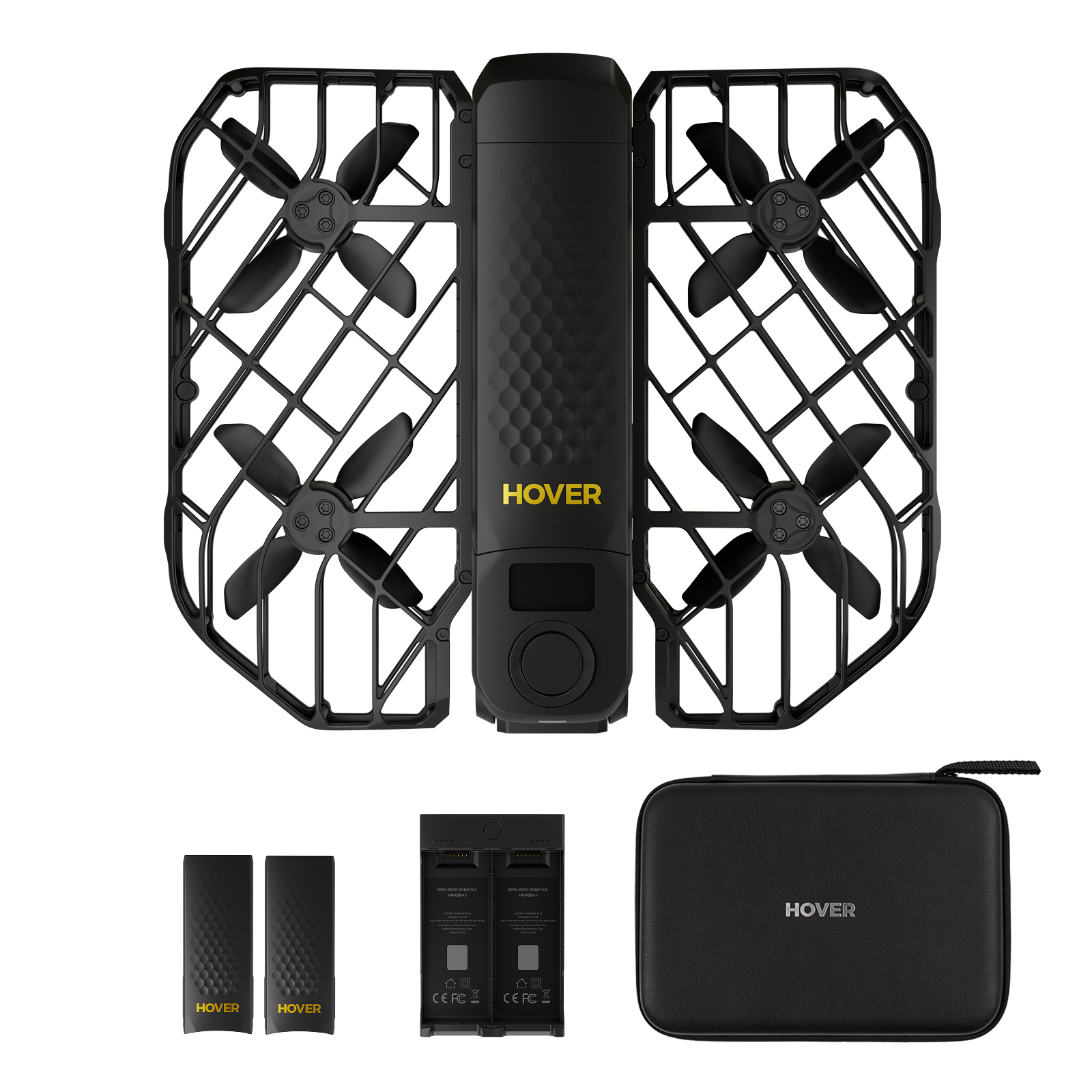
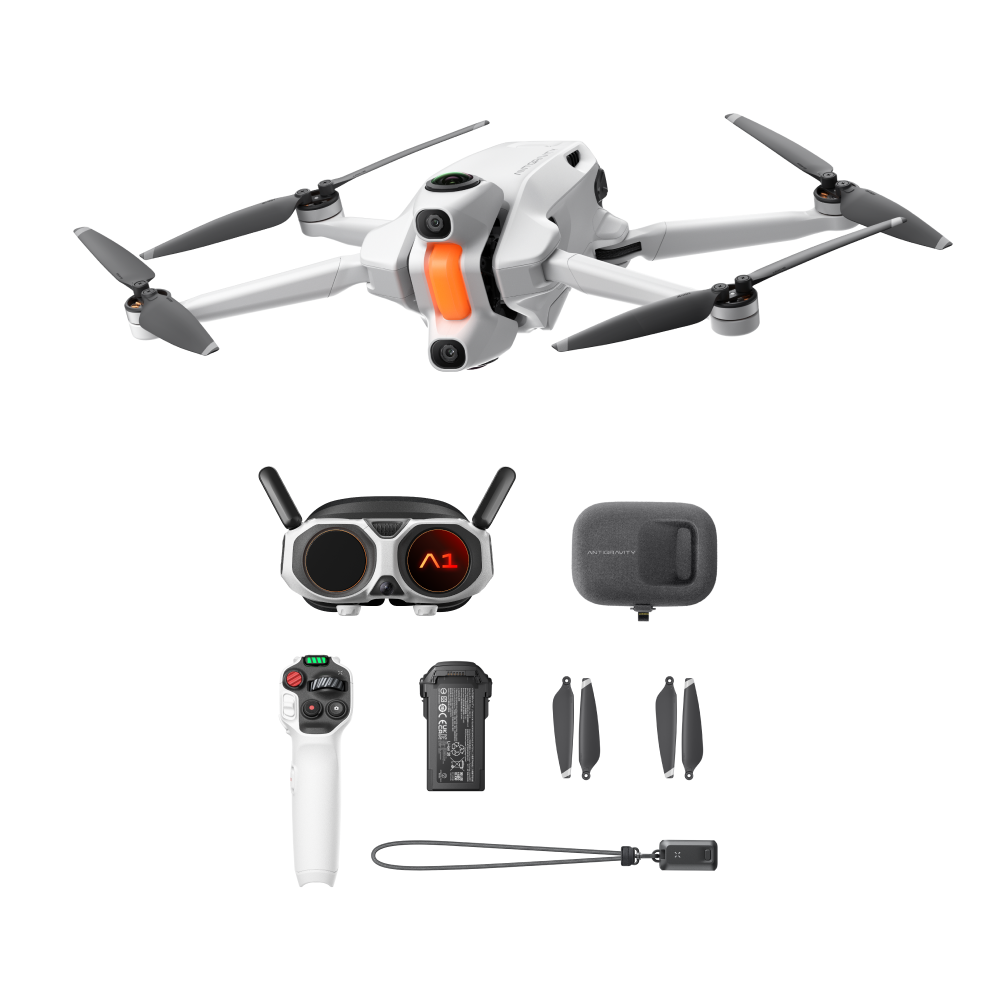
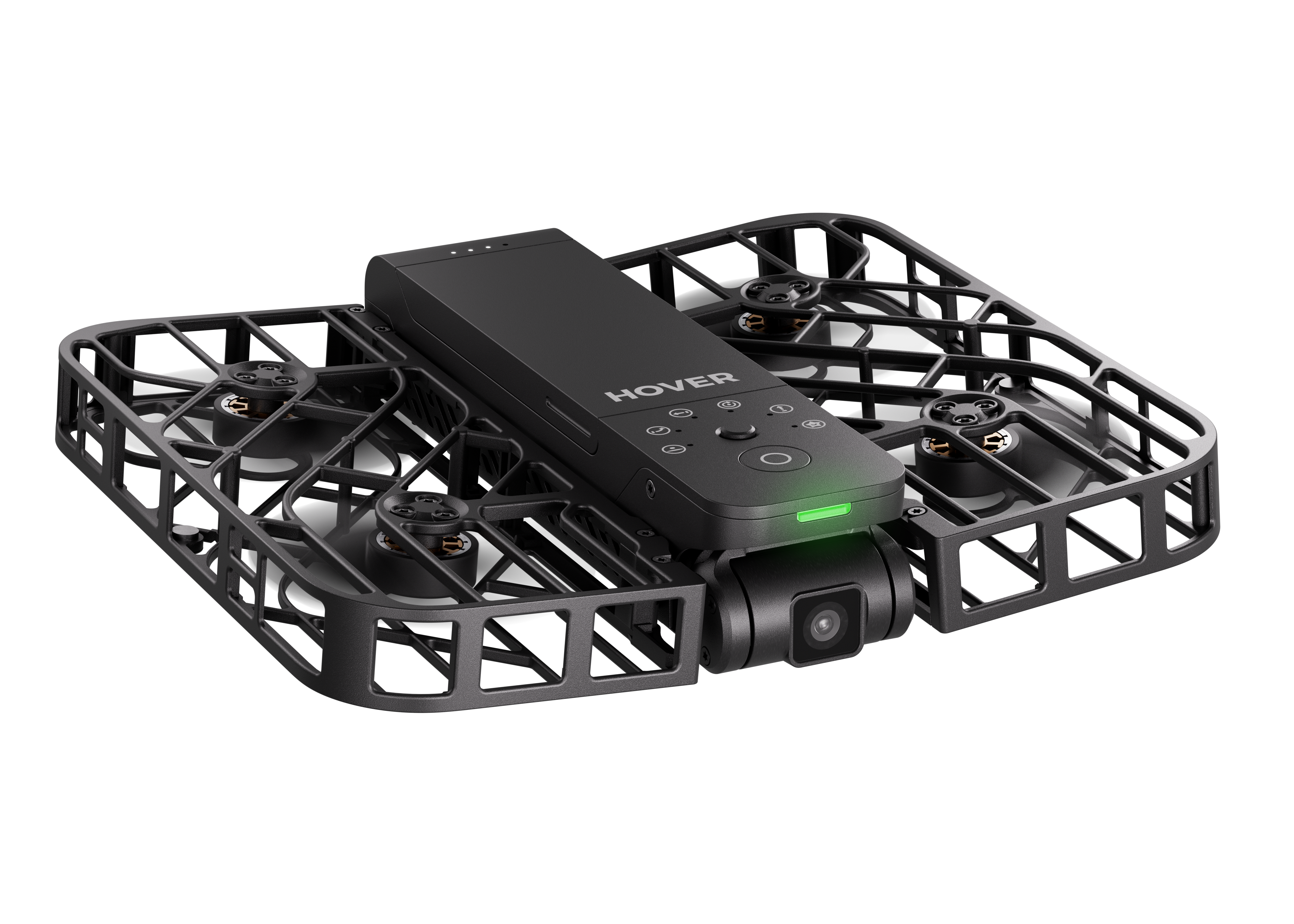
For first flights and holiday videos, entry-level models are enough and usually cost between roughly 250 and 500 euros; they often stay under the 250-gram limit but come with smaller sensors and little obstacle sensing. The broad mid-range of about 600 to 1,200 euros adds larger sensors, longer flight times and all-round sensors, and covers most needs for the long run. Above that begins the professional segment with interchangeable optics or Hasselblad cameras, rarely necessary without a concrete assignment. Known makers such as DJI, Autel or Potensic cover these classes to differing degrees.
You can spot a good deal when the price sits noticeably below the usual market level of recent weeks, not below a high list figure. Previous-year models are often sensible, because only details tend to change between two generations. Discounts typically cluster around promotional weeks in November, at the start of spring and shortly after product announcements. Factor in follow-up costs: liability insurance, extra batteries, spare propellers, memory cards and possible flat-rate repair fees add up and put some discounts into perspective.
What to look for
- Weight determines the rules: under 250 grams you only need to register as an operator, heavier models also require proof of competency.
- In Germany, liability insurance is mandatory for every drone.
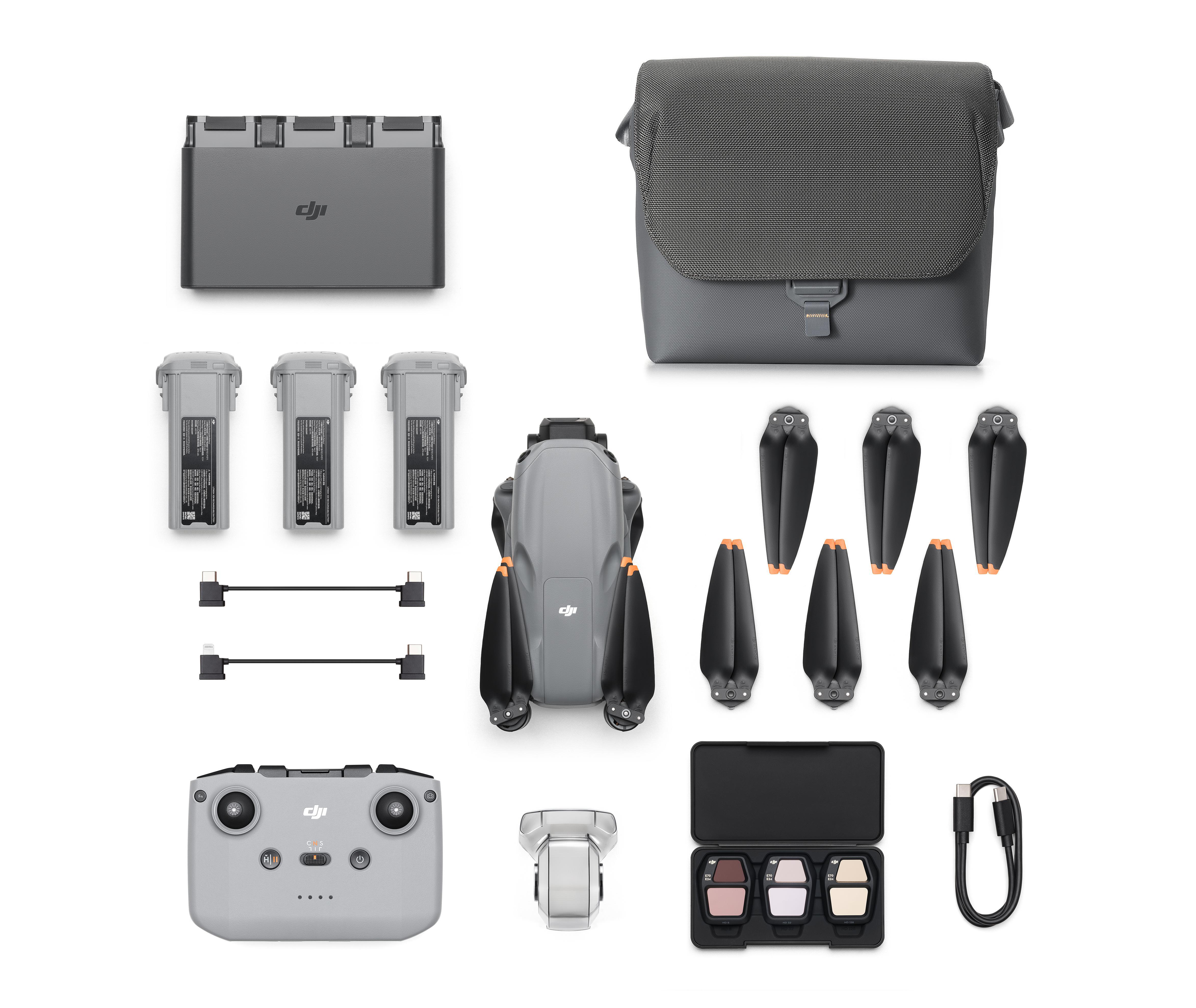
- Bundles with extra batteries are almost always worth it, as one battery usually lasts only 20 to 45 minutes.