Buying advice
With dishwashers, what matters most is how well the appliance fits your daily routine. Check the loading capacity: the usual 60 cm wide models typically hold 13 to 15 place settings, while 45 cm slimline units hold considerably fewer. More important than the number is whether tall glasses, pans and pots actually fit – height-adjustable upper baskets and foldable tine rows help here. Also look at programme times: economical eco cycles often run three to four hours, while quick cycles clean faster but use more water and electricity. And clarify the drying method before buying, because plastic items more often stay damp with pure condensation drying than with zeolite systems or automatic door opening.
In terms of price, basic freestanding machines usually start at around 300 to 400 euros and clean well, but offer little comfort and are often louder. In the range of roughly 450 to 700 euros you generally find quieter models, better basket equipment, load detection and a remaining time display – enough for most households. Above about 800 euros it is mainly about extra convenience such as automatic door opening, zone washing, app connectivity or particularly low noise levels. Built-in appliances with comparable features usually cost somewhat more than freestanding ones.
You can spot a good deal by comparing over several weeks: a look at the price history helps, because the crossed-out reference price is often just the manufacturer's recommended price. Previous-year models from established brands such as Bosch, Siemens or Miele are often noticeably cheaper and differ only slightly from their successors. Discounts typically cluster in November, around the turn of the year and when model ranges are discontinued. Factor in follow-up costs: delivery, installation, removal of the old appliance and, depending on your kitchen, a matching furniture front. On top of that come tabs, salt and rinse aid, plus electricity and water; for the eco programme, the energy label states electricity use per 100 cycles and water use per cycle.
What to look for
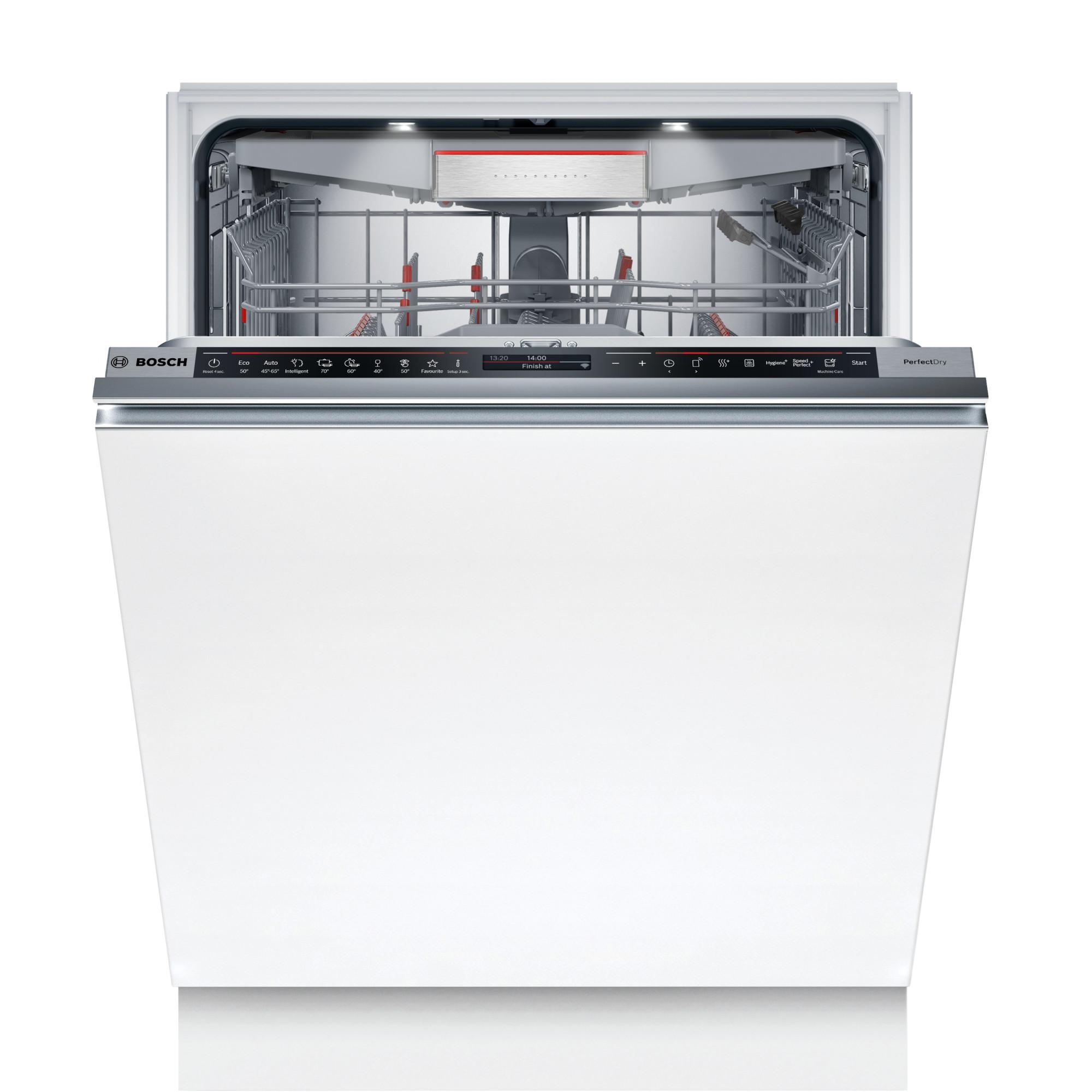
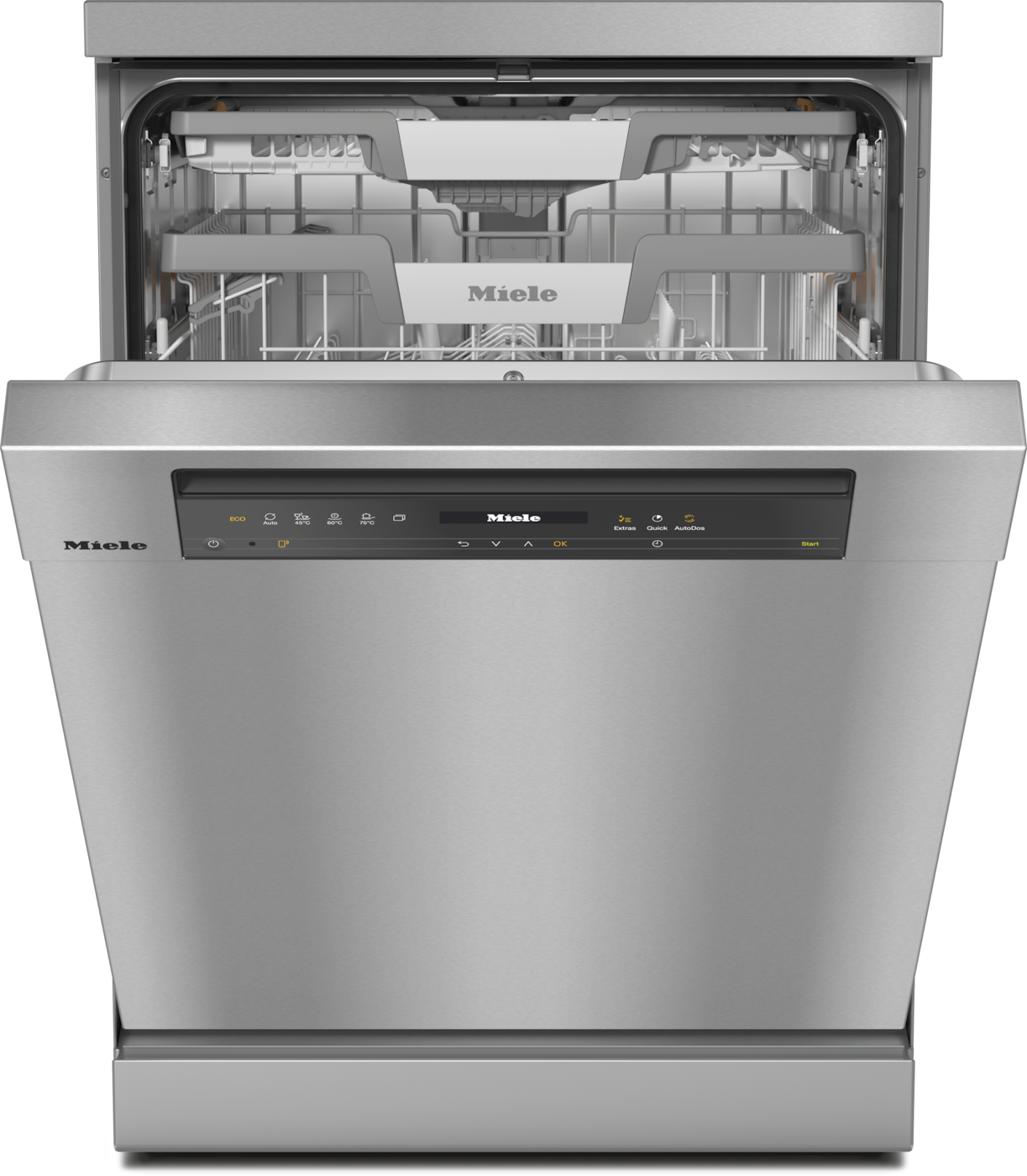
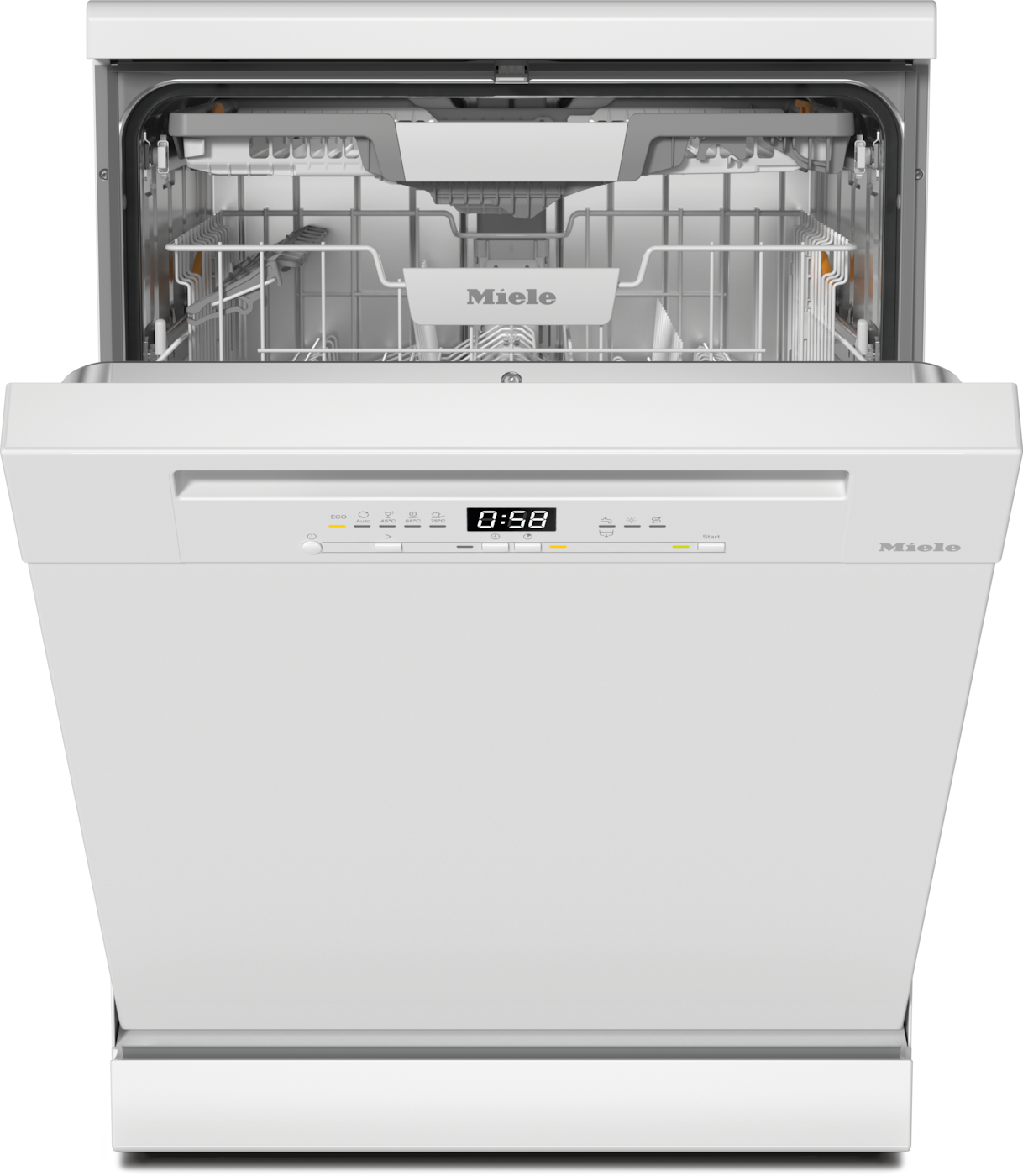
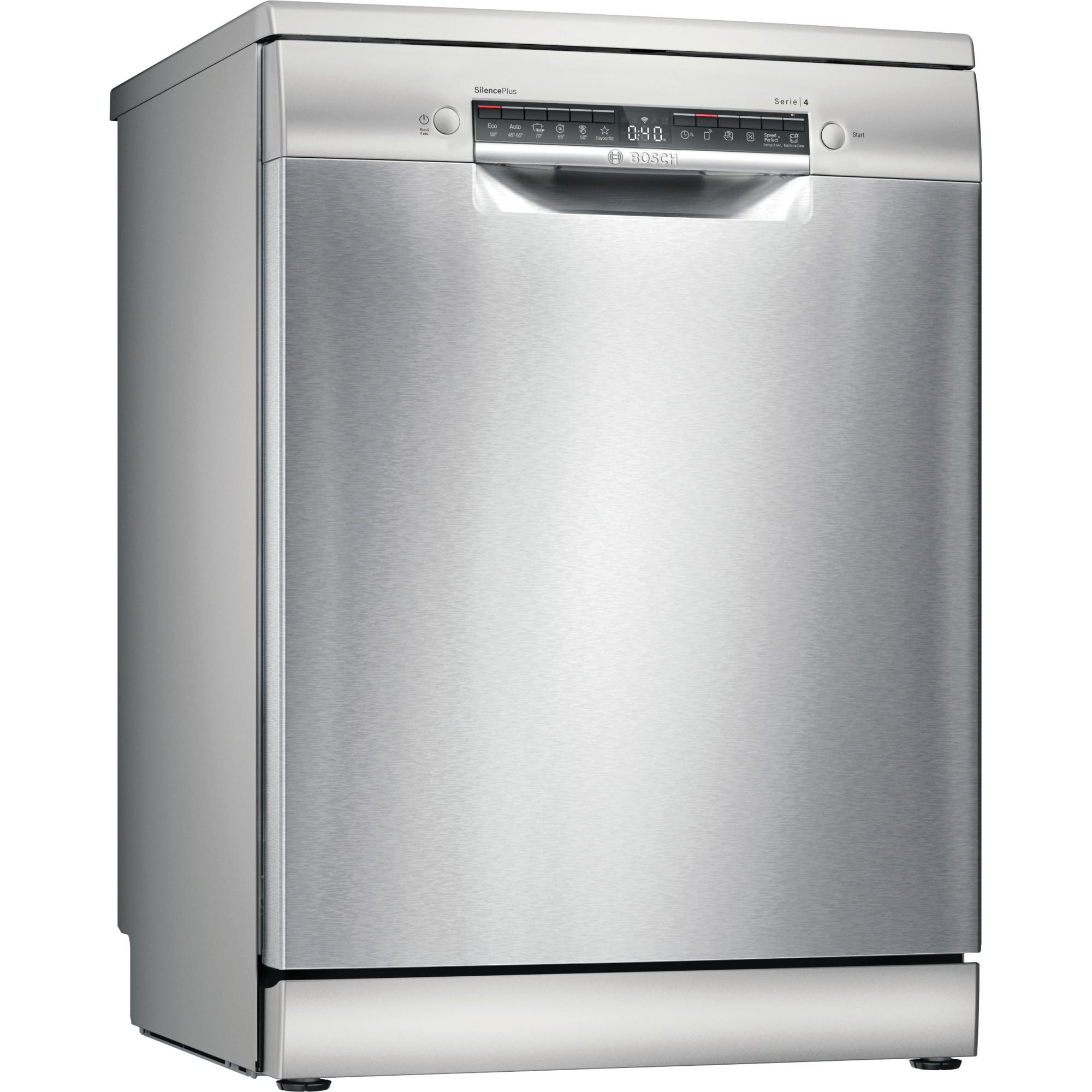
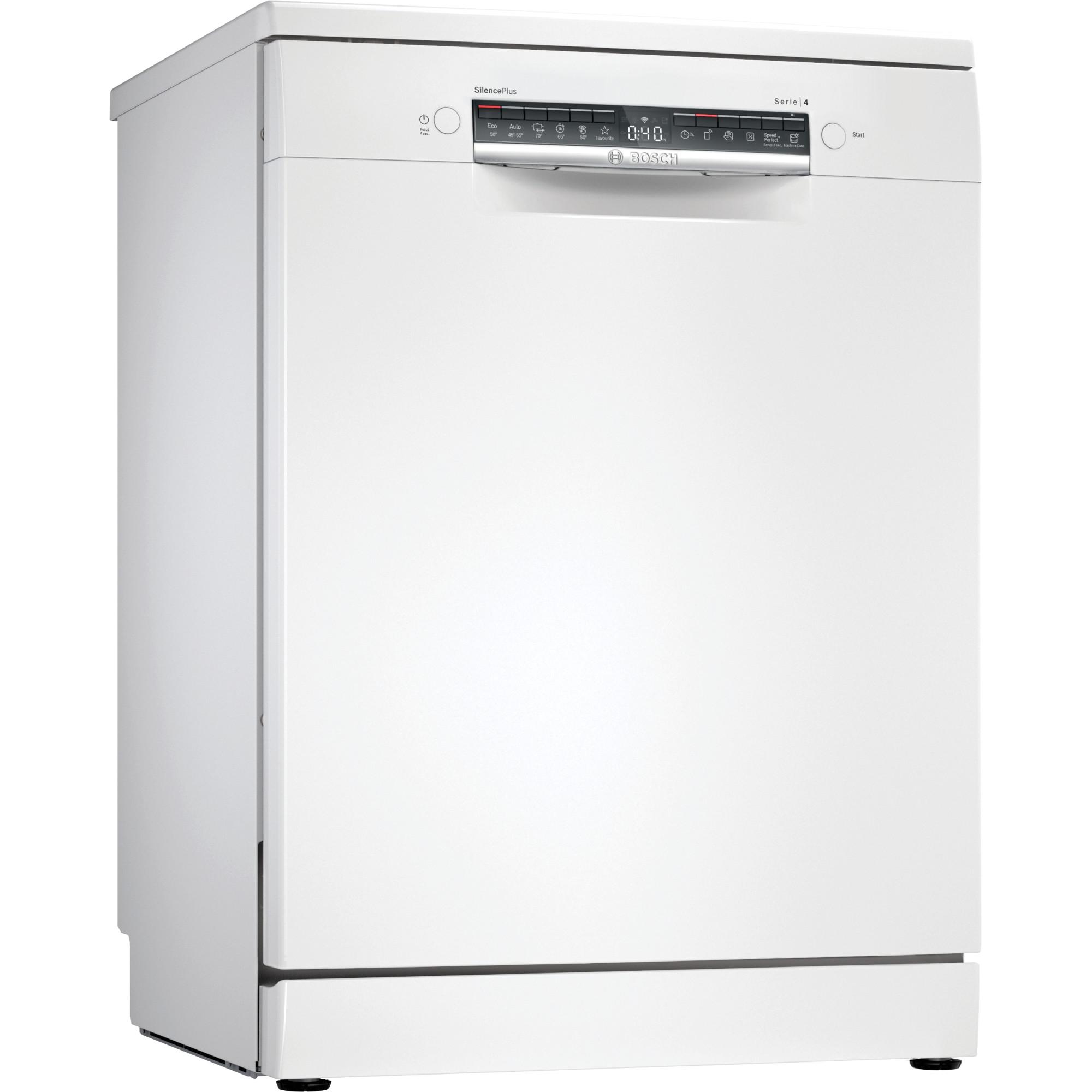
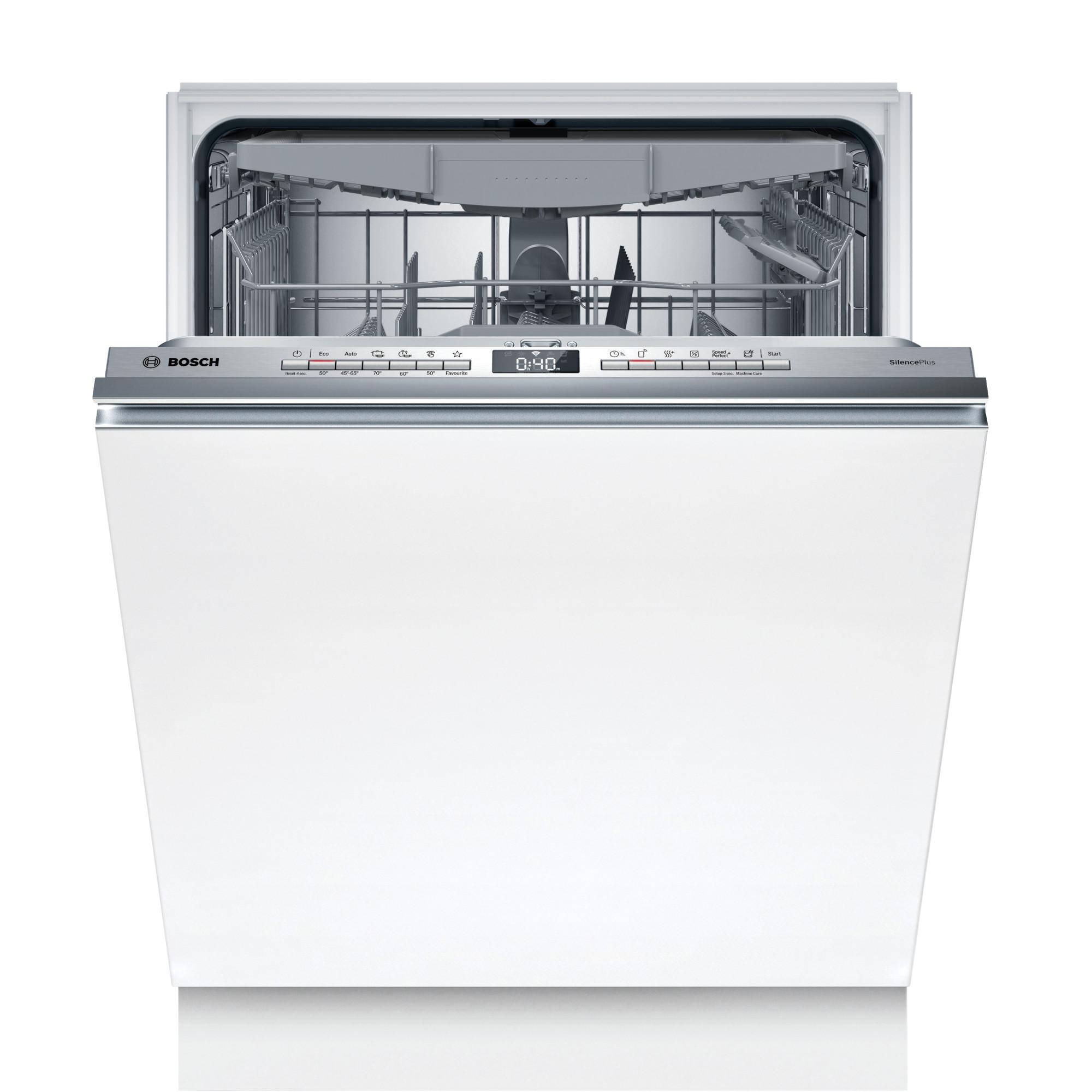
- Design first: fully integrated models disappear behind the kitchen front, semi-integrated ones show the control panel, and freestanding units don't need a niche.
- The energy efficiency class applies to the Eco programme; a noise level around 44 dB or less is pleasant even in open-plan kitchens.
- A cutlery drawer and flexible baskets often do more in everyday use than extra special programmes.