Buying advice
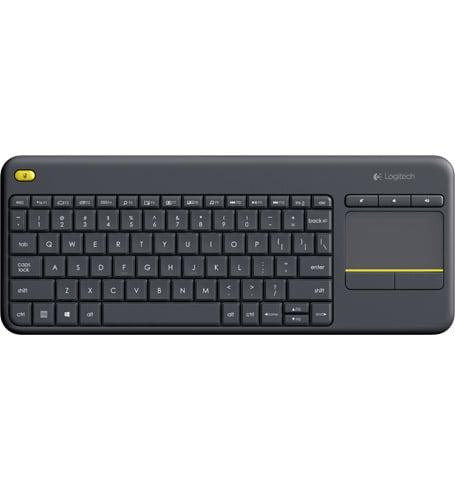
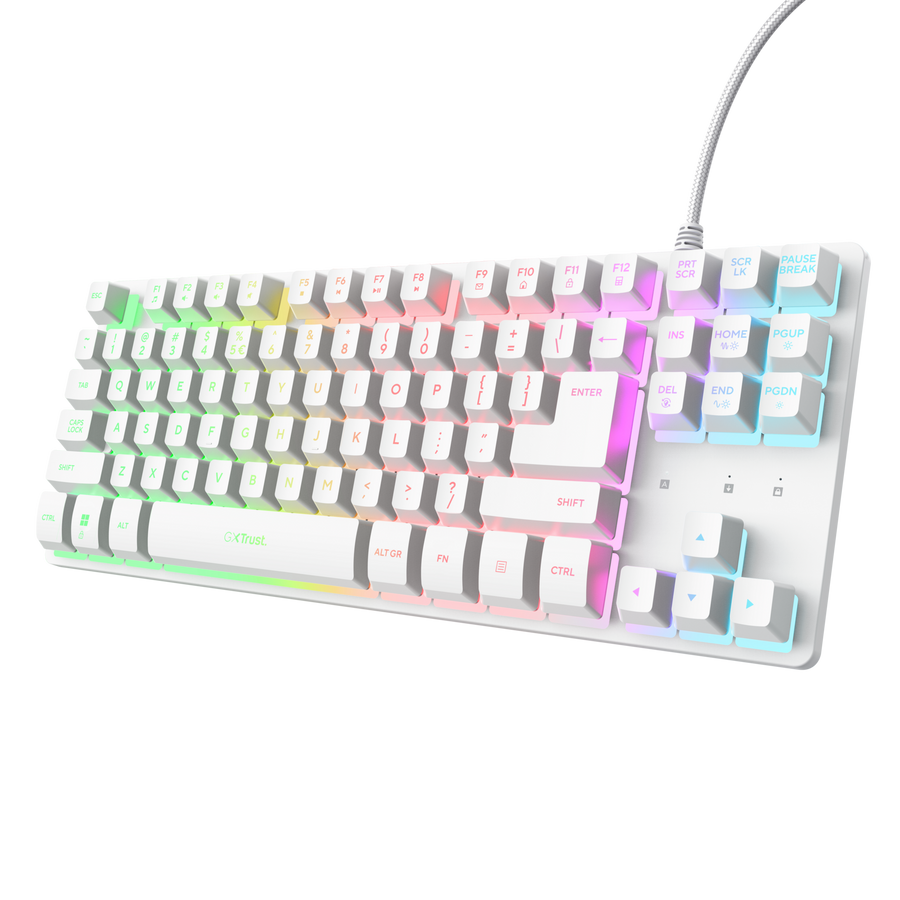
The first thing that matters is how you handle connection and power. A USB wireless receiver is usually more stable and more responsive than Bluetooth, but it occupies a port; Bluetooth saves the plug and works with almost any device. Also check whether the unit uses a built-in battery or replaceable cells, because glued-in batteries eventually determine the lifespan of the device. With keyboards, look at the technology under the keys: rubber dome models are inexpensive and quiet, mechanical switches give clearer feedback and can often be swapped. Size counts too, since compact layouts without a number pad free up space for the mouse but make numeric entry harder.
Simple wired sets for office work are mostly available in the lower double-digit range. Solid wireless mice with several device profiles often sit at roughly 30 to 70 euros, and decent keyboards with good build quality fall into a similar range. Mechanical or ergonomic models frequently start at around 80 euros, and several hundred euros are possible at the top end, for example with wireless keyboards featuring backlighting and an aluminium frame. For plain typing and clicking, the highest class usually adds little extra benefit.
You can recognise a good deal when the price is clearly below the average of the past months, not just below a struck-through manufacturer recommendation. Price histories can be checked through comparison services. Previous-year models from well-known makers such as Logitech or Cherry are often noticeably cheaper and barely changed technically. Discounts cluster around November, the start of the school year and the phase-out of a product line. Factor in follow-up costs: batteries, replacement keycaps, palm rests, and keyboards whose software requires an account for useful functions.
What to look for
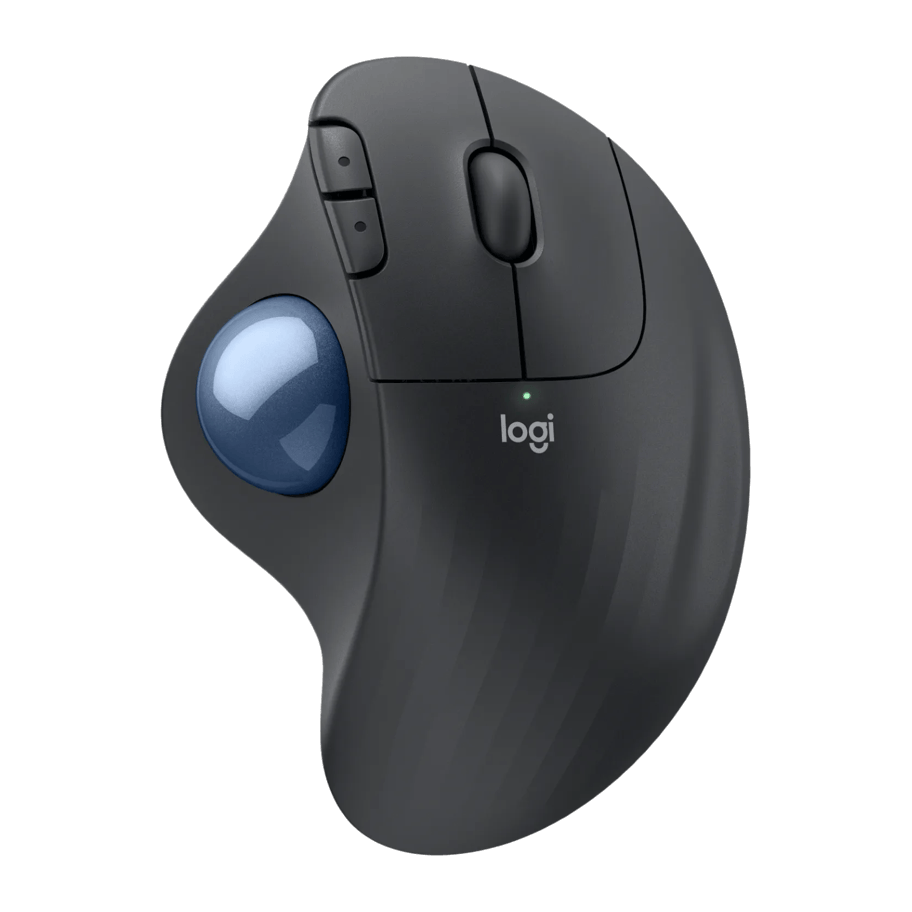
- Ergonomics: vertical mice and trackballs take strain off your wrist, while ergonomic keyboards split or tilt the key fields.
- Many models switch between two or three devices at the push of a button, handy for laptop, desktop and tablet at the same desk.
- For gaming, low latency and a precise sensor matter; for the office it's more about battery life, quiet keys and the German keyboard layout.